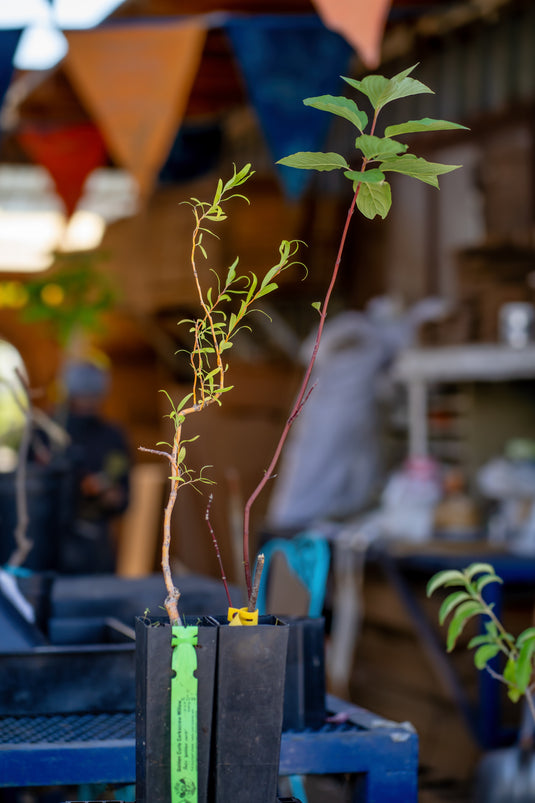
Dogwoods and Cornelian Cherry
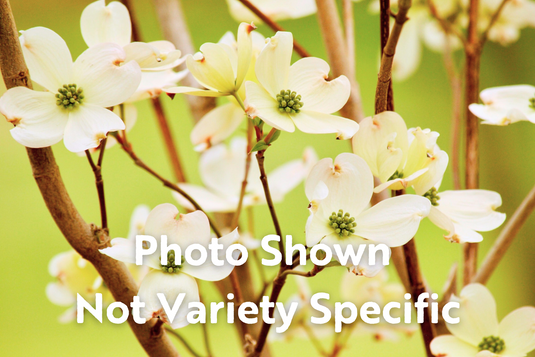
Dogwoods are versatile deciduous trees and shrubs celebrated for their exceptional four-season beauty, wildlife value, and adaptability to diverse landscape situations. This diverse group includes flowering ornamentals like Pacific and Eastern dogwoods with their showy spring bracts, colorful fruiting shrubs such as redtwig and yellowtwig dogwoods prized for their brilliant winter stem color, and the edible Cornelian Cherry valued for its early spring blooms and tart cherry-like fruits.
These plants offer layered seasonal interest with early flowers that provide critical nectar for pollinators, attractive foliage that often turns vibrant fall colors, and berries that feed songbirds and wildlife through autumn and winter. Dogwoods range from compact 6-foot shrubs ideal for hedges and mass plantings to elegant 30-foot specimen trees, adapting to conditions from full sun to deep shade depending on species.
Many thrive in moist, woodland settings while others tolerate drier conditions once established. The vibrant winter stems of shrubby dogwoods create stunning color in dormant landscapes, while flowering types provide elegant spring beauty. Suitable across USDA Zones 2-9 depending on variety, dogwoods combine ornamental appeal with ecological benefits, making them essential plants for naturalistic landscapes, wildlife gardens, and multi-season edible and ornamental plantings.
Dogwoods and Cornelian Cherry

Dogwoods are versatile deciduous trees and shrubs celebrated for their exceptional four-season beauty, wildlife value, and adaptability to diverse landscape situations. This diverse group includes flowering ornamentals like Pacific and Eastern dogwoods with their showy spring bracts, colorful fruiting shrubs such as redtwig and yellowtwig dogwoods prized for their brilliant winter stem color, and the edible Cornelian Cherry valued for its early spring blooms and tart cherry-like fruits.
These plants offer layered seasonal interest with early flowers that provide critical nectar for pollinators, attractive foliage that often turns vibrant fall colors, and berries that feed songbirds and wildlife through autumn and winter. Dogwoods range from compact 6-foot shrubs ideal for hedges and mass plantings to elegant 30-foot specimen trees, adapting to conditions from full sun to deep shade depending on species.
Many thrive in moist, woodland settings while others tolerate drier conditions once established. The vibrant winter stems of shrubby dogwoods create stunning color in dormant landscapes, while flowering types provide elegant spring beauty. Suitable across USDA Zones 2-9 depending on variety, dogwoods combine ornamental appeal with ecological benefits, making them essential plants for naturalistic landscapes, wildlife gardens, and multi-season edible and ornamental plantings.