Elderberries
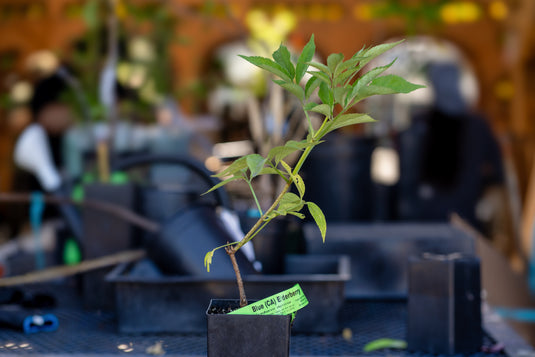
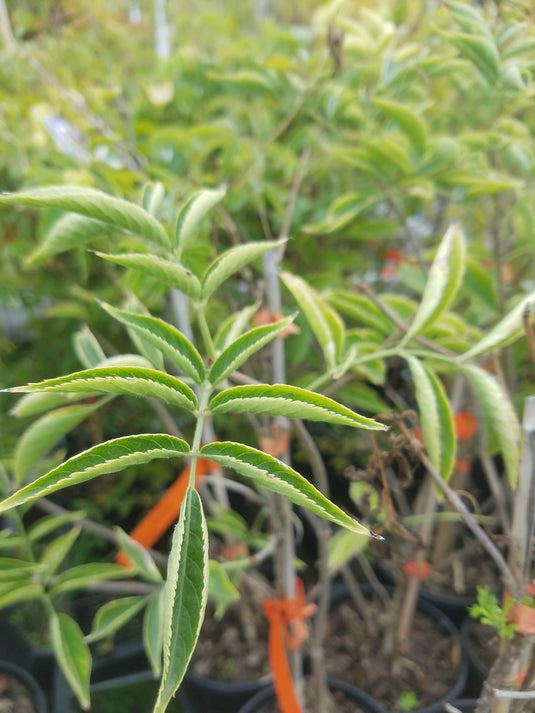
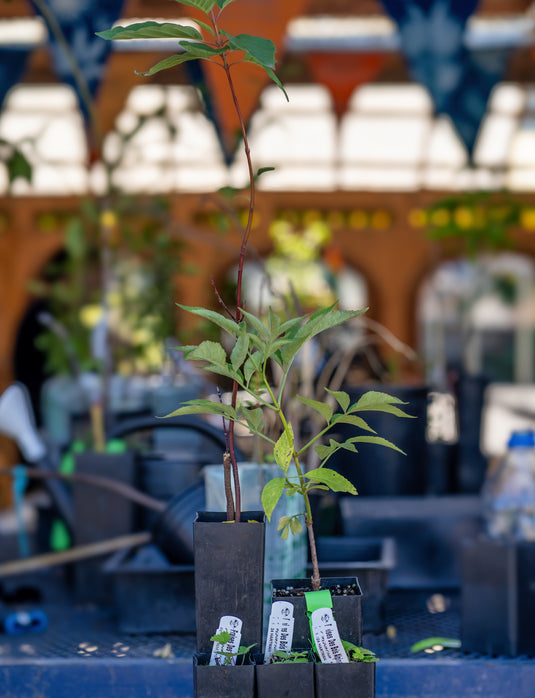
Elderberries are fast-growing, highly productive deciduous shrubs valued for their dual harvests of fragrant flowers and antioxidant-rich berries alongside exceptional wildlife benefits. These vigorous multi-stemmed plants reach 8-12 feet tall, forming attractive spreading colonies through root suckers that create natural hedgerows or productive guild plantings in permaculture designs.
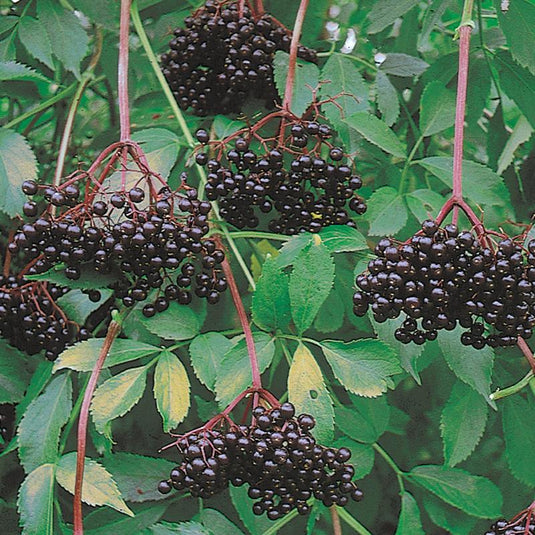
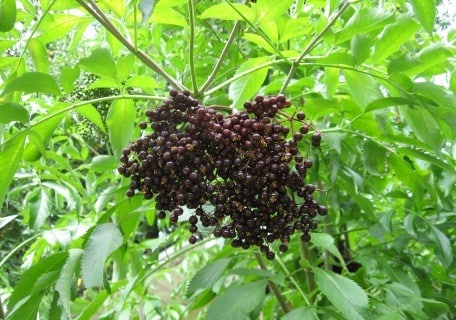
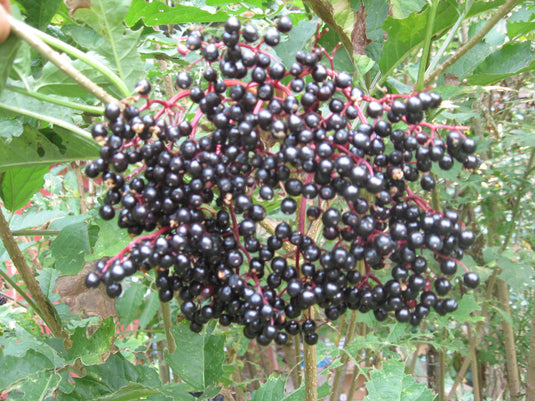
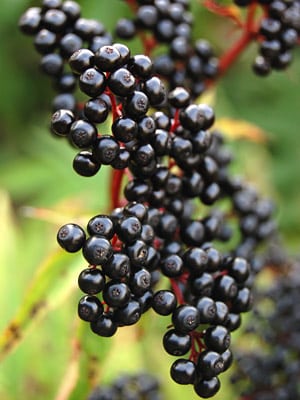
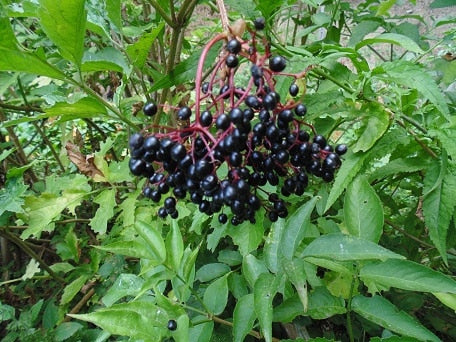
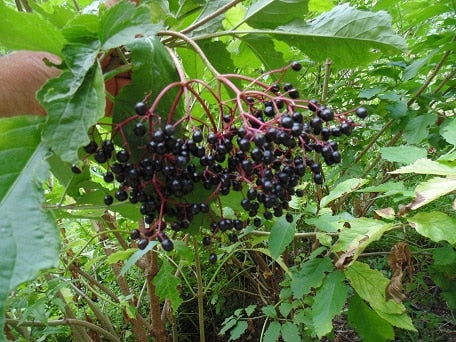
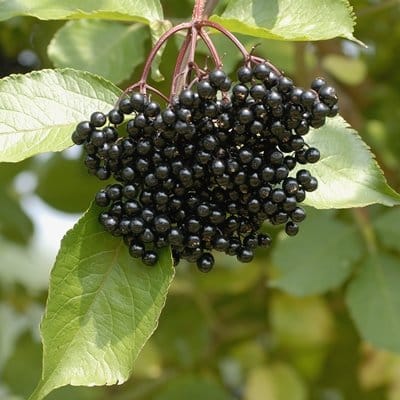
Large flat-topped clusters of creamy white flowers appear in early summer, attracting pollinators and providing delicate blossoms for traditional elderflower cordials, syrups, and fritters, followed by heavy crops of dark purple-black berries in late summer. The cooked berries contain some of the highest antioxidant levels of any fruit and make exceptional jams, syrups, pies, and immune-supporting elderberry syrup, while providing critical food for songbirds and wildlife.
Elderberries thrive in moist, fertile soils with full sun to partial shade and tolerate wet conditions that challenge many fruit crops. While self-fertile, planting multiple varieties significantly increases yields and extends harvest windows. Available in both native American and European species, elderberries are ideal for edible landscapes, restoration projects, and productive homesteads across USDA Zones 3-9.
Elderberries
Elderberries are fast-growing, highly productive deciduous shrubs valued for their dual harvests of fragrant flowers and antioxidant-rich berries alongside exceptional wildlife benefits. These vigorous multi-stemmed plants reach 8-12 feet tall, forming attractive spreading colonies through root suckers that create natural hedgerows or productive guild plantings in permaculture designs.
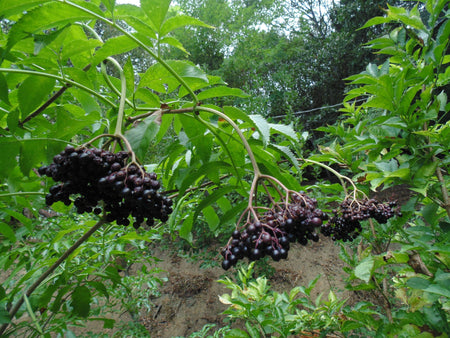
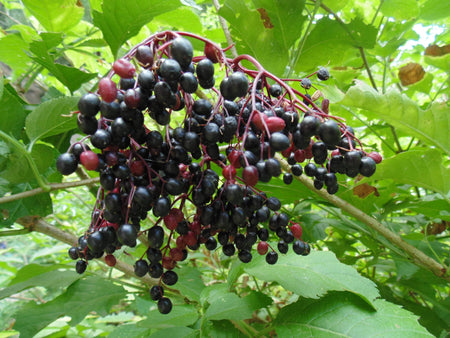
Large flat-topped clusters of creamy white flowers appear in early summer, attracting pollinators and providing delicate blossoms for traditional elderflower cordials, syrups, and fritters, followed by heavy crops of dark purple-black berries in late summer. The cooked berries contain some of the highest antioxidant levels of any fruit and make exceptional jams, syrups, pies, and immune-supporting elderberry syrup, while providing critical food for songbirds and wildlife.
Elderberries thrive in moist, fertile soils with full sun to partial shade and tolerate wet conditions that challenge many fruit crops. While self-fertile, planting multiple varieties significantly increases yields and extends harvest windows. Available in both native American and European species, elderberries are ideal for edible landscapes, restoration projects, and productive homesteads across USDA Zones 3-9.