Cherries
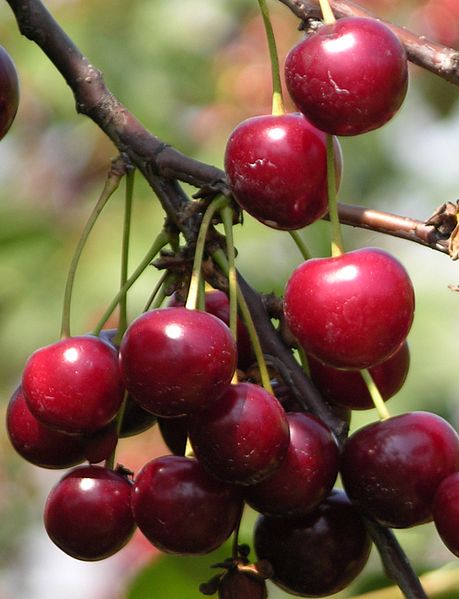
Cherries are beloved deciduous fruit trees that combine spectacular spring beauty with exceptional harvests of sweet or tart fruits perfect for fresh eating, baking, and preserving. Sweet cherries offer plump, juicy fruits ideal for snacking and desserts, while sour cherries provide the essential tartness for classic pies, jams, and preserves.
These attractive trees reach 15-25 feet at maturity but can be maintained at smaller sizes through pruning, featuring clouds of white to pale pink blossoms in early spring that make them standout ornamental specimens. Cherry trees thrive in well-drained soils with full sun and require adequate winter chill hours to produce reliably, with sweet cherries needing 700-900 hours and sour cherries requiring 800-1200 hours depending on variety.
Most sweet cherries require a compatible pollinator variety for fruit set, while many sour cherries are self-fertile. Available grafted on various rootstocks for different vigor levels and soil adaptability, cherries suit USDA Zones 4-9 and provide decades of productive harvests. From fresh eating to canning and freezing, cherries remain among the most treasured and versatile fruits for home orchards and edible landscapes.
Cherries
Cherries are beloved deciduous fruit trees that combine spectacular spring beauty with exceptional harvests of sweet or tart fruits perfect for fresh eating, baking, and preserving. Sweet cherries offer plump, juicy fruits ideal for snacking and desserts, while sour cherries provide the essential tartness for classic pies, jams, and preserves.
These attractive trees reach 15-25 feet at maturity but can be maintained at smaller sizes through pruning, featuring clouds of white to pale pink blossoms in early spring that make them standout ornamental specimens. Cherry trees thrive in well-drained soils with full sun and require adequate winter chill hours to produce reliably, with sweet cherries needing 700-900 hours and sour cherries requiring 800-1200 hours depending on variety.
Most sweet cherries require a compatible pollinator variety for fruit set, while many sour cherries are self-fertile. Available grafted on various rootstocks for different vigor levels and soil adaptability, cherries suit USDA Zones 4-9 and provide decades of productive harvests. From fresh eating to canning and freezing, cherries remain among the most treasured and versatile fruits for home orchards and edible landscapes.