Medlar Trees (Mespilus germanica)
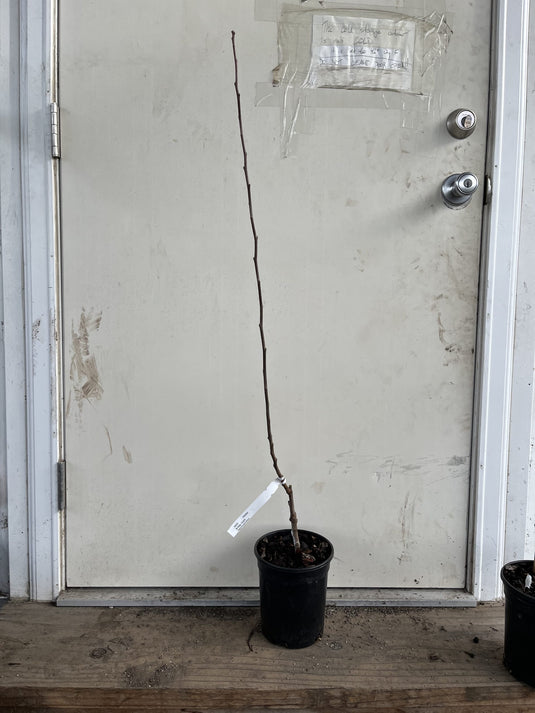
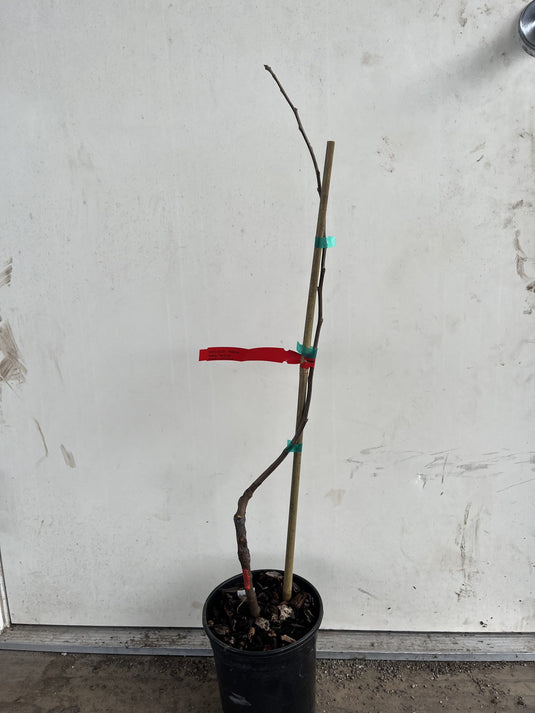
Medlars are ancient deciduous fruit trees with a rich history dating back to medieval Europe, prized for their unique fruits that must be "bletted" (allowed to soften through frost or storage) before eating. These attractive small trees reach 15-20 feet tall with a spreading, gnarly form, large white or pink-tinged flowers in late spring, and beautiful fall foliage in shades of russet and gold.
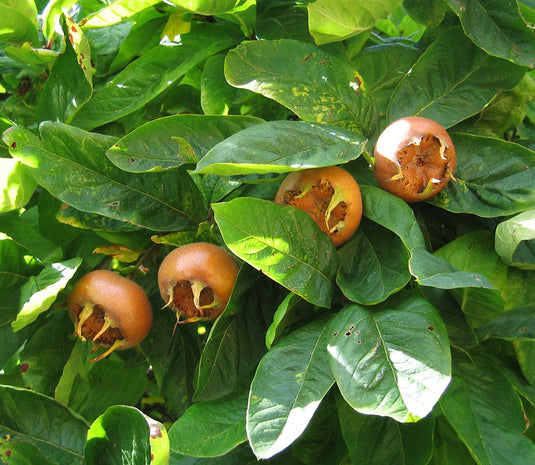
The unusual brown fruits resemble large rose hips and have a distinctive open calyx end, ripening hard and astringent in fall before becoming soft and sweet through the bletting process. Once bletted, the creamy flesh offers a complex flavor reminiscent of apple butter, dates, and wine, traditionally enjoyed fresh with a spoon or made into exceptional jellies, fruit cheeses, and preserves popular in European cuisine. Medlars are remarkably easy to grow with excellent disease resistance and minimal pest issues, adapting to various soil types and thriving in cooler climates.
Self-fertile and beginning production within 3-5 years, these historic trees require patience but reward with unique harvests and conversation-starting appeal. Hardy across USDA Zones 5-8, medlars are ideal for heritage orchards, edible landscapes, and adventurous fruit growers seeking unusual, low-maintenance additions with centuries of culinary tradition.
Medlar Trees (Mespilus germanica)
Medlars are ancient deciduous fruit trees with a rich history dating back to medieval Europe, prized for their unique fruits that must be "bletted" (allowed to soften through frost or storage) before eating. These attractive small trees reach 15-20 feet tall with a spreading, gnarly form, large white or pink-tinged flowers in late spring, and beautiful fall foliage in shades of russet and gold.
The unusual brown fruits resemble large rose hips and have a distinctive open calyx end, ripening hard and astringent in fall before becoming soft and sweet through the bletting process. Once bletted, the creamy flesh offers a complex flavor reminiscent of apple butter, dates, and wine, traditionally enjoyed fresh with a spoon or made into exceptional jellies, fruit cheeses, and preserves popular in European cuisine. Medlars are remarkably easy to grow with excellent disease resistance and minimal pest issues, adapting to various soil types and thriving in cooler climates.
Self-fertile and beginning production within 3-5 years, these historic trees require patience but reward with unique harvests and conversation-starting appeal. Hardy across USDA Zones 5-8, medlars are ideal for heritage orchards, edible landscapes, and adventurous fruit growers seeking unusual, low-maintenance additions with centuries of culinary tradition.