Figs
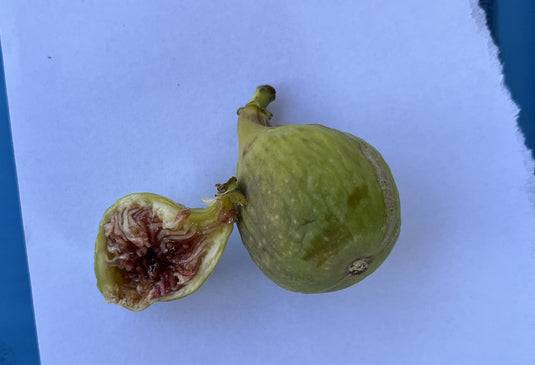
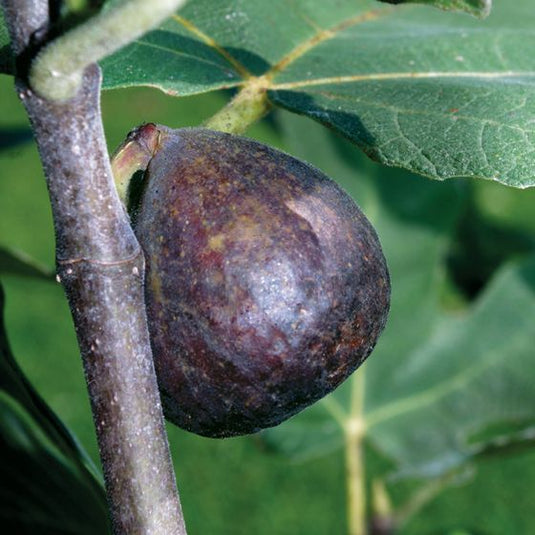
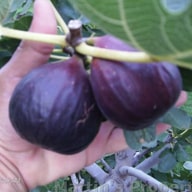
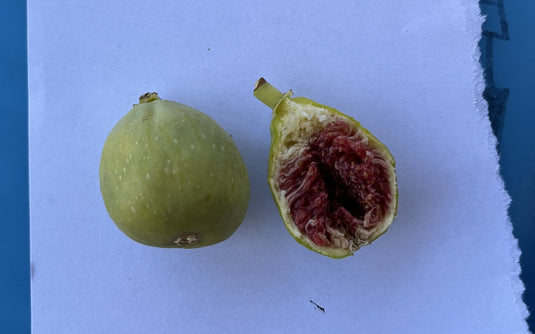
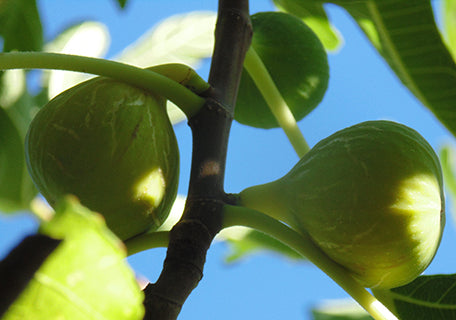
Figs are lush, tropical-looking deciduous trees that deliver exceptional gourmet flavor and remarkable adaptability, making them among the most rewarding fruits for warm-climate gardens. With a wide selection of varieties offering different ripening times, fig season can extend from early summer through fall, providing fresh harvests for eating out of hand, drying, canning, or using in both sweet and savory cooking applications.
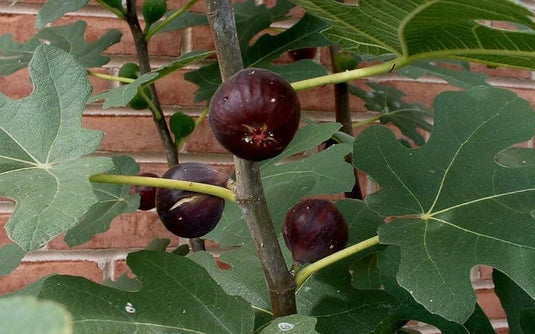
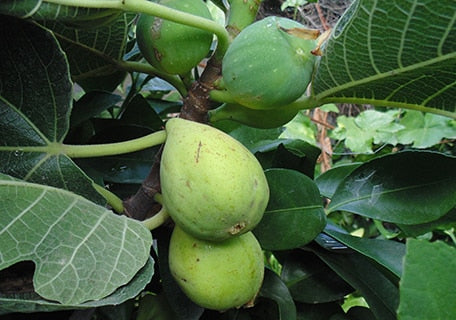
These attractive trees feature large, deeply lobed dark green foliage and spreading forms that reach 10-25 feet tall, though they respond well to pruning for smaller spaces and thrive in container culture for patios or cold-climate protection. Figs are uniquely productive, bearing twice annually - a lighter "breba" crop on previous year's wood in early summer, followed by the main crop on new growth in fall. Remarkably pest-free, drought-tolerant once established, and easy to grow, figs are hardy to 10-15°F and perform well in protected microclimates, against south-facing walls, or in containers that can be moved indoors in harsh winters.
Some varieties require intense heat for optimal ripening while others succeed in cooler coastal climates. Self-fertile with minimal chill requirements (some as low as 100 hours), figs are outstanding choices for edible landscapes across USDA Zones 7-11, delivering decades of delicious, low-maintenance harvests.
Figs
Figs are lush, tropical-looking deciduous trees that deliver exceptional gourmet flavor and remarkable adaptability, making them among the most rewarding fruits for warm-climate gardens. With a wide selection of varieties offering different ripening times, fig season can extend from early summer through fall, providing fresh harvests for eating out of hand, drying, canning, or using in both sweet and savory cooking applications.
These attractive trees feature large, deeply lobed dark green foliage and spreading forms that reach 10-25 feet tall, though they respond well to pruning for smaller spaces and thrive in container culture for patios or cold-climate protection. Figs are uniquely productive, bearing twice annually - a lighter "breba" crop on previous year's wood in early summer, followed by the main crop on new growth in fall. Remarkably pest-free, drought-tolerant once established, and easy to grow, figs are hardy to 10-15°F and perform well in protected microclimates, against south-facing walls, or in containers that can be moved indoors in harsh winters.
Some varieties require intense heat for optimal ripening while others succeed in cooler coastal climates. Self-fertile with minimal chill requirements (some as low as 100 hours), figs are outstanding choices for edible landscapes across USDA Zones 7-11, delivering decades of delicious, low-maintenance harvests.