Pawpaws
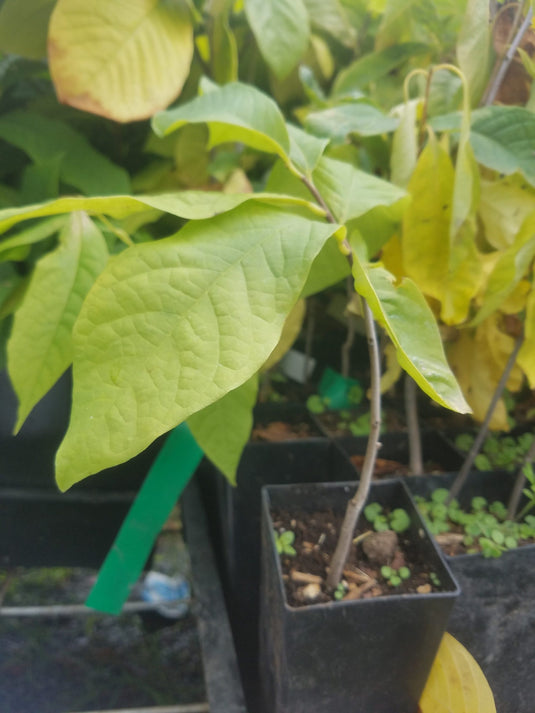
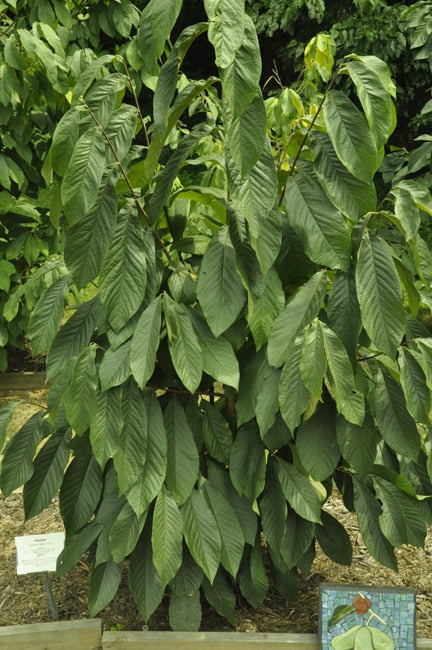
Pawpaw is a unique native deciduous tree that produces North America's largest indigenous fruit with a tropical custard-like texture and flavor reminiscent of bananas and mangoes. This easy-to-grow tree reaches 15-20 feet tall with large, tropical-looking leaves that turn brilliant gold in fall, creating striking seasonal interest. Native to eastern North America and the hardiest member of the custard apple family (Annonaceae), pawpaws thrive where true tropical fruits cannot survive.
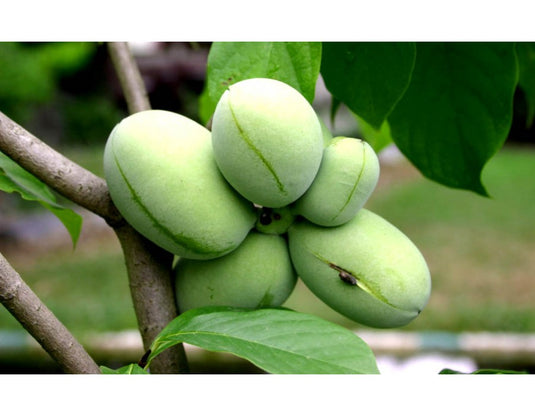
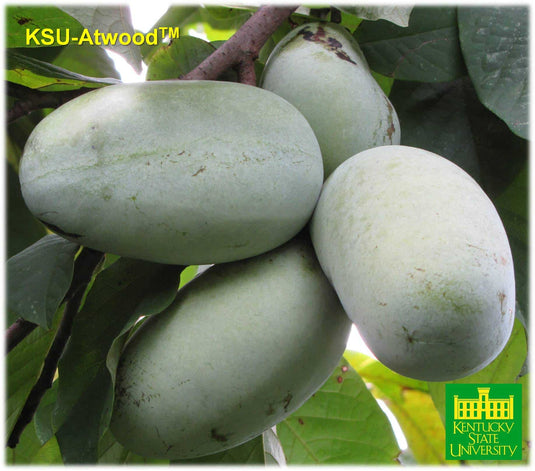
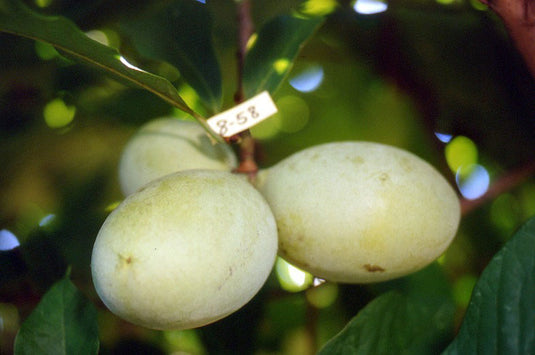
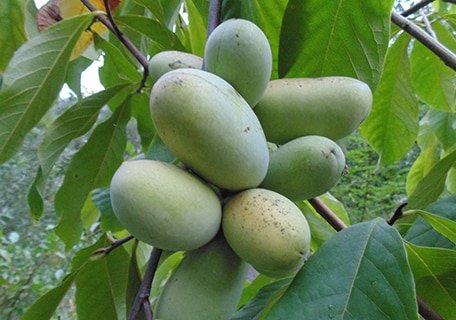
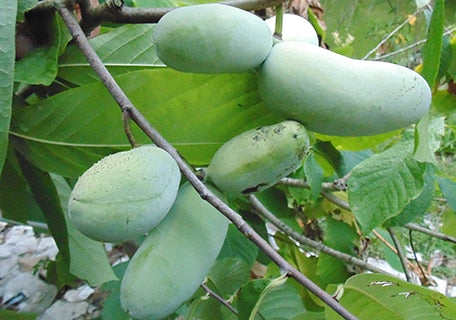
The large, oblong fruits ripen in early fall with thin greenish-yellow skin, a few large seeds, and creamy flesh offering uniquely aromatic flavor perfect for fresh eating, smoothies, and desserts. Remarkably pest and disease resistant, pawpaws require minimal care once established and begin producing within three years of planting. The trees prefer moist, well-drained soil and full sun to partial shade, naturally forming attractive understory colonies in woodland settings.
Hardy to -20°F and thriving across USDA Zones 5-9, pawpaws are ideal for edible forests and native plant landscapes. Two genetically distinct trees are required for cross-pollination and fruit set. These fast-growing trees combine exotic flavor, native resilience, and ornamental beauty for adventurous fruit growers seeking truly unique North American harvests.
Learn more about the cultural and ecological significance of this amazing plant:
North America's Largest Fruit - University of Tennessee
Pawpaw: Small Tree, Big Impact - NPS
America's Best Secret Fruit - Serious Eats
Pawpaws
Pawpaw is a unique native deciduous tree that produces North America's largest indigenous fruit with a tropical custard-like texture and flavor reminiscent of bananas and mangoes. This easy-to-grow tree reaches 15-20 feet tall with large, tropical-looking leaves that turn brilliant gold in fall, creating striking seasonal interest. Native to eastern North America and the hardiest member of the custard apple family (Annonaceae), pawpaws thrive where true tropical fruits cannot survive.
The large, oblong fruits ripen in early fall with thin greenish-yellow skin, a few large seeds, and creamy flesh offering uniquely aromatic flavor perfect for fresh eating, smoothies, and desserts. Remarkably pest and disease resistant, pawpaws require minimal care once established and begin producing within three years of planting. The trees prefer moist, well-drained soil and full sun to partial shade, naturally forming attractive understory colonies in woodland settings.
Hardy to -20°F and thriving across USDA Zones 5-9, pawpaws are ideal for edible forests and native plant landscapes. Two genetically distinct trees are required for cross-pollination and fruit set. These fast-growing trees combine exotic flavor, native resilience, and ornamental beauty for adventurous fruit growers seeking truly unique North American harvests.
Learn more about the cultural and ecological significance of this amazing plant:
North America's Largest Fruit - University of Tennessee
Pawpaw: Small Tree, Big Impact - NPS
America's Best Secret Fruit - Serious Eats