Che (Chinese Mulberry)
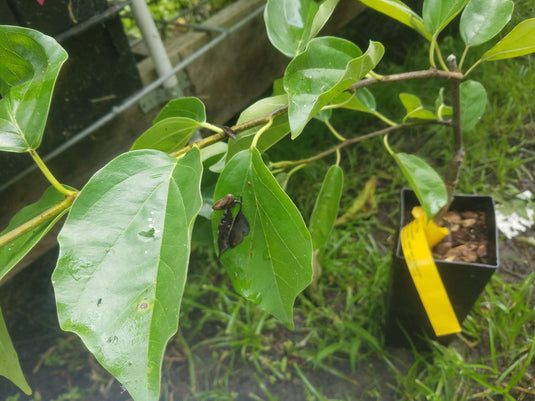
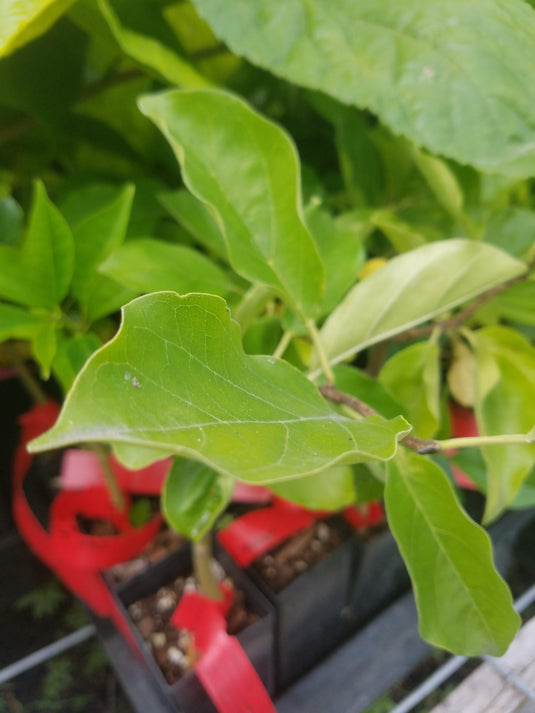
Che is a unique, cold-hardy deciduous tree or large shrub from East Asia that produces unusual and delicious melon-flavored fruits while offering exceptional ornamental value. Growing 10-20 feet tall with an attractive spreading form, che features glossy green foliage, interesting gnarled bark, and thornless branches on grafted varieties.
The distinctive reddish fruits resemble mulberries in appearance but offer a sweet, tropical flavor reminiscent of watermelon or fig when fully ripe in late summer to fall. Fresh fruits are delightful for eating out of hand, while their unique flavor makes them prized for jams, desserts, and fresh applications. Che trees are remarkably adaptable, thriving in a wide range of soil types and climates with drought tolerance once established and cold hardiness to USDA Zone 5.
The trees are typically dioecious (separate male and female plants), though some cultivars are self-fertile or parthenocarpic. Relatively unknown in Western gardens despite their excellent fruit quality and ease of cultivation, che trees make outstanding additions to edible landscapes, providing unusual harvests, attractive form, and conversation-starting appeal for adventurous fruit growers seeking something beyond the ordinary.
Che (Chinese Mulberry)
Che is a unique, cold-hardy deciduous tree or large shrub from East Asia that produces unusual and delicious melon-flavored fruits while offering exceptional ornamental value. Growing 10-20 feet tall with an attractive spreading form, che features glossy green foliage, interesting gnarled bark, and thornless branches on grafted varieties.
The distinctive reddish fruits resemble mulberries in appearance but offer a sweet, tropical flavor reminiscent of watermelon or fig when fully ripe in late summer to fall. Fresh fruits are delightful for eating out of hand, while their unique flavor makes them prized for jams, desserts, and fresh applications. Che trees are remarkably adaptable, thriving in a wide range of soil types and climates with drought tolerance once established and cold hardiness to USDA Zone 5.
The trees are typically dioecious (separate male and female plants), though some cultivars are self-fertile or parthenocarpic. Relatively unknown in Western gardens despite their excellent fruit quality and ease of cultivation, che trees make outstanding additions to edible landscapes, providing unusual harvests, attractive form, and conversation-starting appeal for adventurous fruit growers seeking something beyond the ordinary.