Plums, European (Prunus domestica)
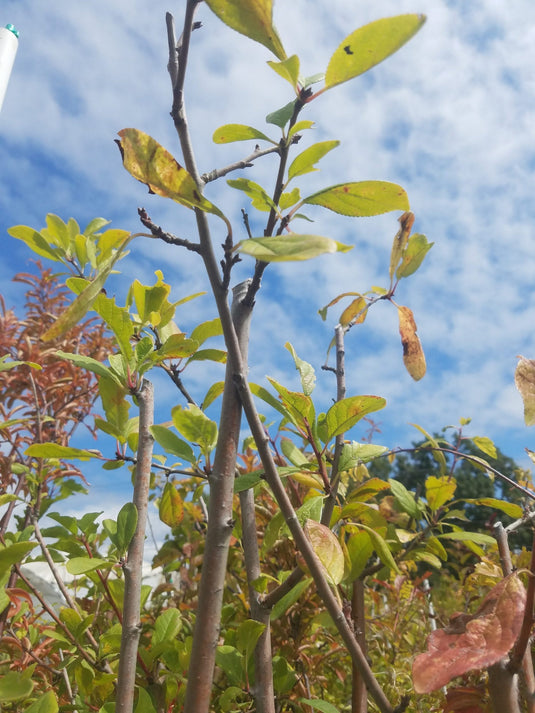
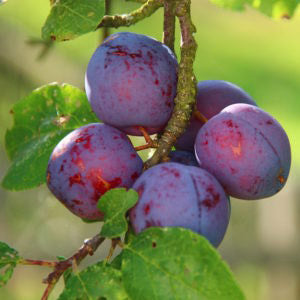
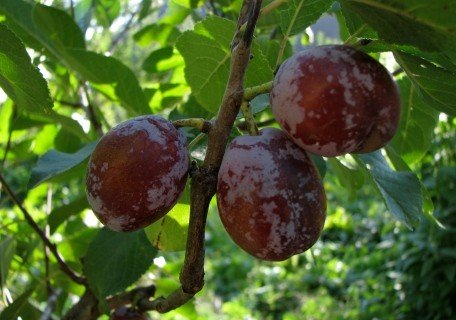
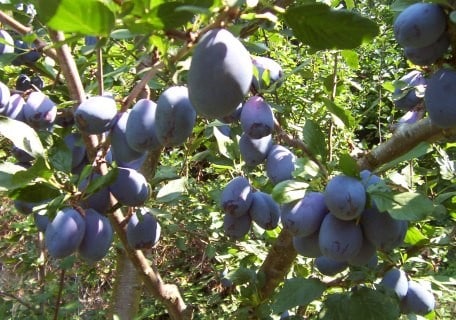
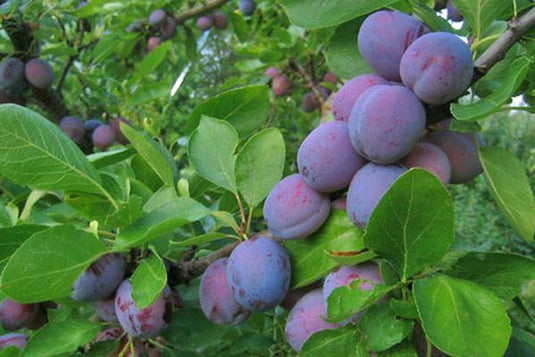
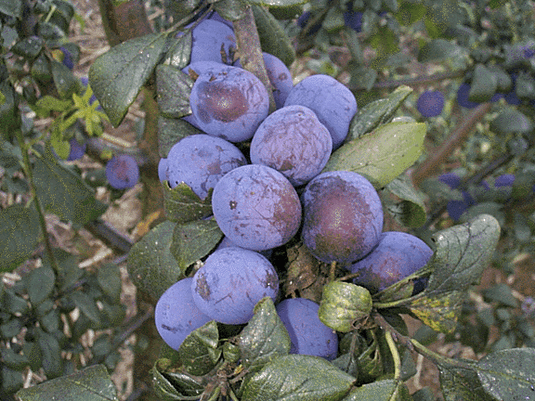
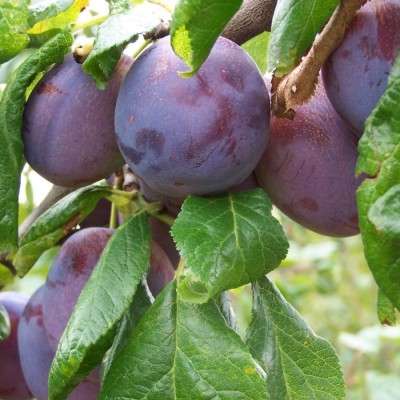
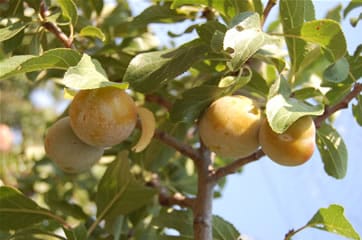
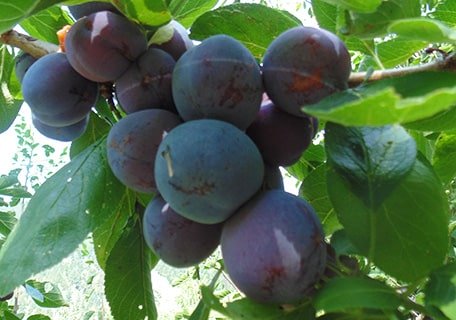
European Plums are hardy deciduous trees that produce intensely flavored, sweet fruits perfect for fresh eating, preserving, and drying into prunes. These compact trees reach approximately 15 feet tall with attractive forms that are showy both in spring bloom and at harvest, creating ornamental appeal alongside productive yields. European plums bloom later than Japanese types, making them more reliable fruit producers in areas with cold, wet springs common to northern climates where early-blooming varieties suffer frost damage.
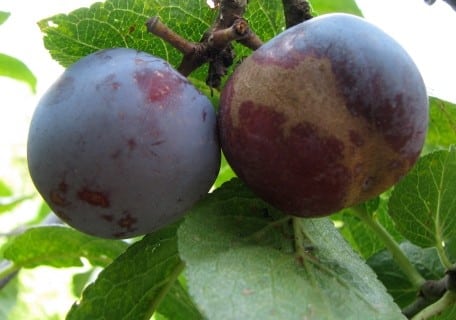
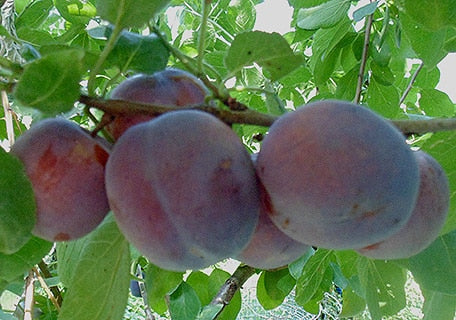
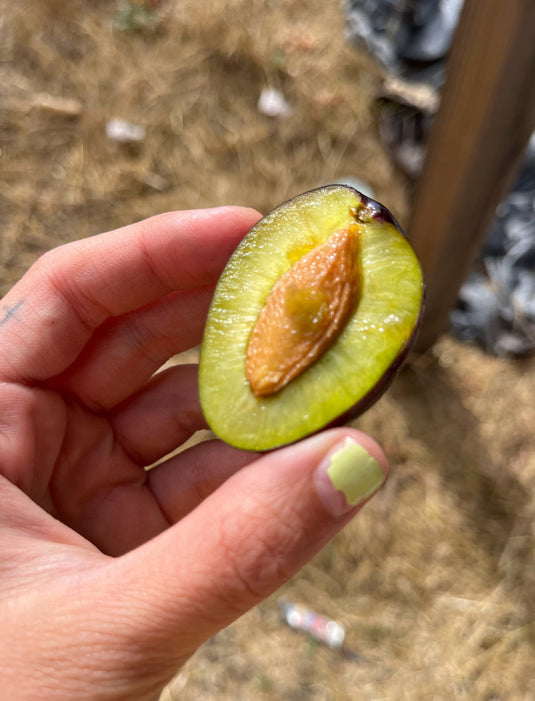
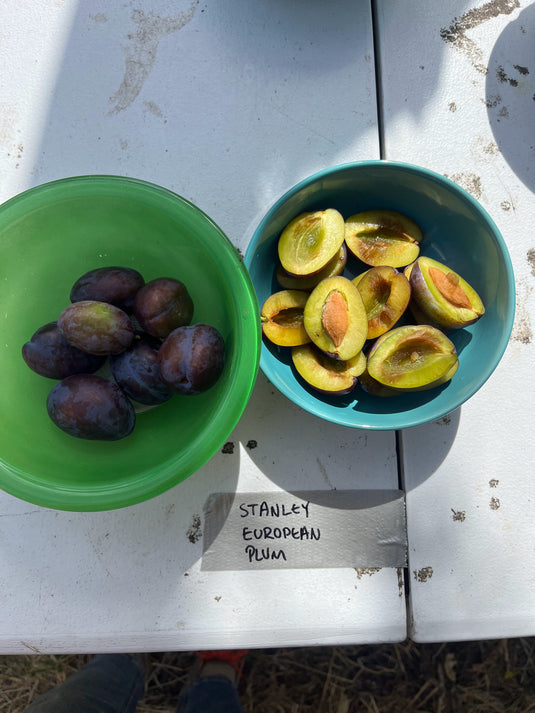
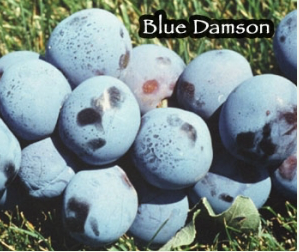
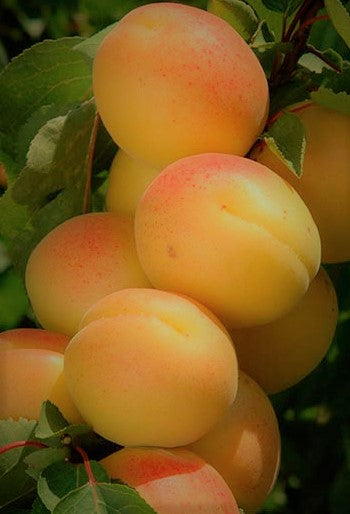
The firm, freestone fruits offer rich, concentrated sweetness ideal for fresh eating when ripe, while their dense flesh and high sugar content make them exceptional for drying, canning, and traditional European preserves. Unlike many fruit trees, most European plum varieties are self-fertile and do not require a second tree for pollination, though yields often improve with cross-pollination from compatible varieties.
The trees adapt well to cooler climates and heavier soils, thriving where Japanese plums may struggle. European plums are suitable for USDA Zones 5-9 and ideal for northern orchards, edible landscapes, and anyone seeking dependable stone fruit production with superior flavor for both fresh and preserved uses.
Plums, European (Prunus domestica)
European Plums are hardy deciduous trees that produce intensely flavored, sweet fruits perfect for fresh eating, preserving, and drying into prunes. These compact trees reach approximately 15 feet tall with attractive forms that are showy both in spring bloom and at harvest, creating ornamental appeal alongside productive yields. European plums bloom later than Japanese types, making them more reliable fruit producers in areas with cold, wet springs common to northern climates where early-blooming varieties suffer frost damage.
The firm, freestone fruits offer rich, concentrated sweetness ideal for fresh eating when ripe, while their dense flesh and high sugar content make them exceptional for drying, canning, and traditional European preserves. Unlike many fruit trees, most European plum varieties are self-fertile and do not require a second tree for pollination, though yields often improve with cross-pollination from compatible varieties.
The trees adapt well to cooler climates and heavier soils, thriving where Japanese plums may struggle. European plums are suitable for USDA Zones 5-9 and ideal for northern orchards, edible landscapes, and anyone seeking dependable stone fruit production with superior flavor for both fresh and preserved uses.