Silverberries
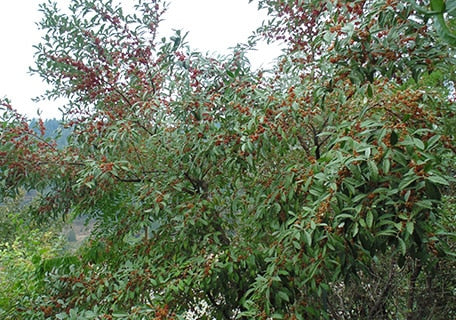
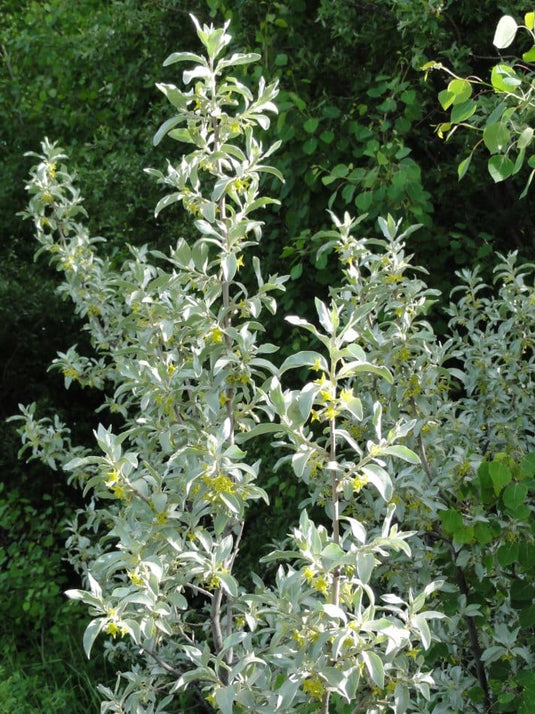
Silverberry, also known as Autumn Olive, is a tough, nitrogen-fixing shrub that thrives in challenging conditions where other plants struggle. Despite the common name, this plant is not related to Mediterranean olives but belongs to the Elaeagnus family. These vigorous shrubs grow quickly to 6-10 feet tall and wide, featuring attractive silvery-green foliage that resembles true olive leaves. The plants produce abundant fragrant flowers in spring that attract pollinators, followed by bright red berries speckled with silver in late summer and fall.
The tart, astringent fruits are exceptionally high in lycopene and other antioxidants associated with protection against cancer and premature aging, making them valuable for juices, fruit leathers, and preserves. The berries are enthusiastically enjoyed by songbirds and poultry, providing important wildlife food when many other sources have been exhausted. As nitrogen-fixing plants, silverberries improve soil fertility while tolerating poor, dry soils and harsh conditions.
Remarkably adaptable, they thrive in full sun to shade with minimal care once established. Hardy across USDA Zones 3-9, silverberries are ideal for permaculture systems, hedgerows, and restoration plantings seeking tough, productive shrubs that build soil while providing nutrient-dense harvests.
Autumn Olives have been found to be generally invasive in North America. Check local invasive species maps/ Local Agriculture Extension to see if this plant is suitable for your garden.
Silverberries
Silverberry, also known as Autumn Olive, is a tough, nitrogen-fixing shrub that thrives in challenging conditions where other plants struggle. Despite the common name, this plant is not related to Mediterranean olives but belongs to the Elaeagnus family. These vigorous shrubs grow quickly to 6-10 feet tall and wide, featuring attractive silvery-green foliage that resembles true olive leaves. The plants produce abundant fragrant flowers in spring that attract pollinators, followed by bright red berries speckled with silver in late summer and fall.
The tart, astringent fruits are exceptionally high in lycopene and other antioxidants associated with protection against cancer and premature aging, making them valuable for juices, fruit leathers, and preserves. The berries are enthusiastically enjoyed by songbirds and poultry, providing important wildlife food when many other sources have been exhausted. As nitrogen-fixing plants, silverberries improve soil fertility while tolerating poor, dry soils and harsh conditions.
Remarkably adaptable, they thrive in full sun to shade with minimal care once established. Hardy across USDA Zones 3-9, silverberries are ideal for permaculture systems, hedgerows, and restoration plantings seeking tough, productive shrubs that build soil while providing nutrient-dense harvests.
Autumn Olives have been found to be generally invasive in North America. Check local invasive species maps/ Local Agriculture Extension to see if this plant is suitable for your garden.