Highbush Cranberries
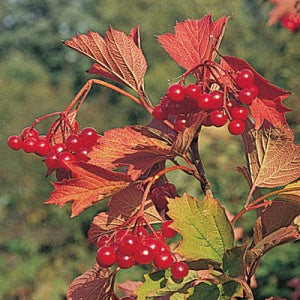
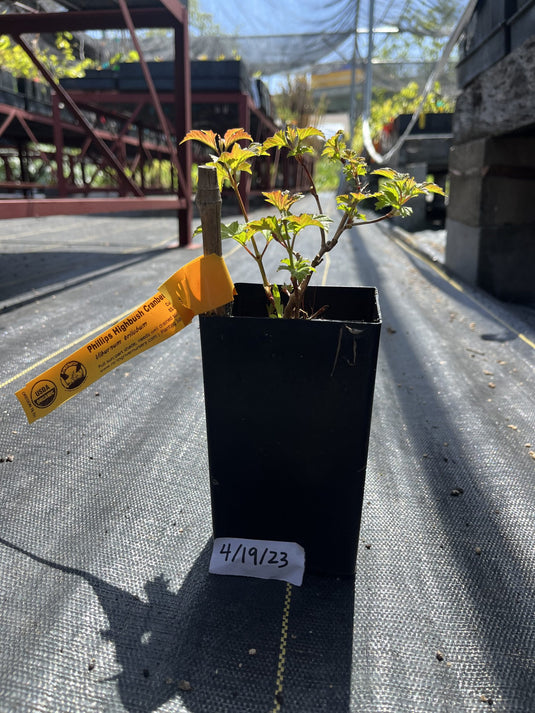
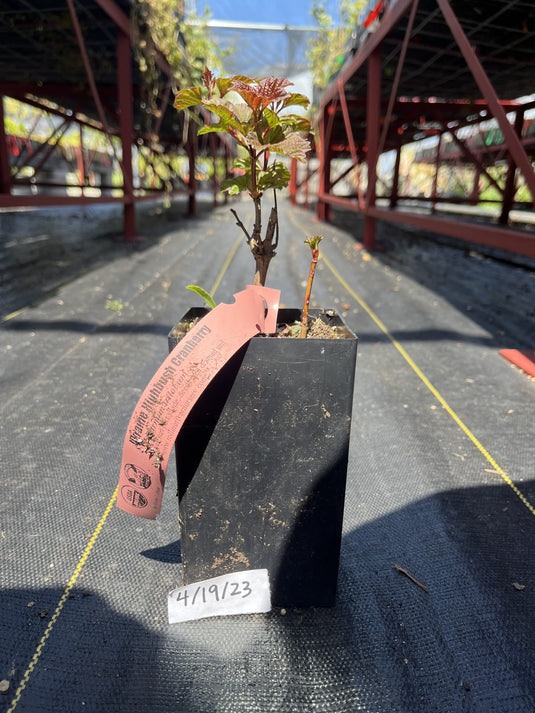
Highbush Cranberry is a vigorous, upright deciduous shrub native to North America that combines exceptional ornamental beauty with productive edible harvests and traditional medicinal value. This easy-to-grow plant reaches 6-10 feet tall, making it ideal as a specimen planting or clipped into attractive hedges and screens. Large, showy umbels of lacy white flowers cover the branches in spring, attracting pollinators before transforming into abundant clusters of bright red, juicy berries that persist into winter.
The tart, cranberry-like fruits are rich in vitamins and make excellent preserves, syrups, jellies, and traditional wines, offering superior flavor to many other native fruits. The foliage provides additional seasonal interest, turning intense crimson and burgundy shades in fall. Historically used by Native Americans and modern herbalists, the bark (commonly called "cramp bark") has traditional medicinal applications for relieving menstrual cramps and muscle tension.
Self-fertile and remarkably adaptable, Highbush Cranberry thrives in full sun to partial shade with various soil types, tolerating wet conditions and cold temperatures. Hardy across USDA Zones 3-9, this versatile native shrub is perfect for edible hedgerows, wildlife gardens, and four-season landscapes seeking beauty, productivity, and traditional herbal value.
Highbush Cranberries
Highbush Cranberry is a vigorous, upright deciduous shrub native to North America that combines exceptional ornamental beauty with productive edible harvests and traditional medicinal value. This easy-to-grow plant reaches 6-10 feet tall, making it ideal as a specimen planting or clipped into attractive hedges and screens. Large, showy umbels of lacy white flowers cover the branches in spring, attracting pollinators before transforming into abundant clusters of bright red, juicy berries that persist into winter.
The tart, cranberry-like fruits are rich in vitamins and make excellent preserves, syrups, jellies, and traditional wines, offering superior flavor to many other native fruits. The foliage provides additional seasonal interest, turning intense crimson and burgundy shades in fall. Historically used by Native Americans and modern herbalists, the bark (commonly called "cramp bark") has traditional medicinal applications for relieving menstrual cramps and muscle tension.
Self-fertile and remarkably adaptable, Highbush Cranberry thrives in full sun to partial shade with various soil types, tolerating wet conditions and cold temperatures. Hardy across USDA Zones 3-9, this versatile native shrub is perfect for edible hedgerows, wildlife gardens, and four-season landscapes seeking beauty, productivity, and traditional herbal value.