Food Forest "Spinach" Collection
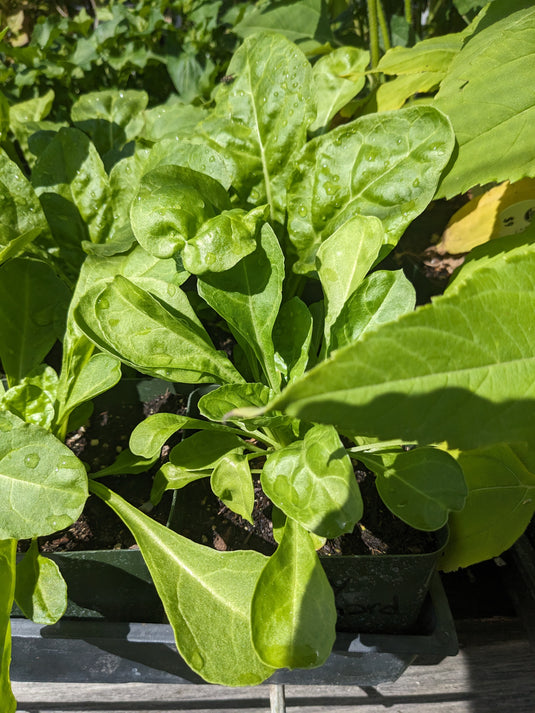
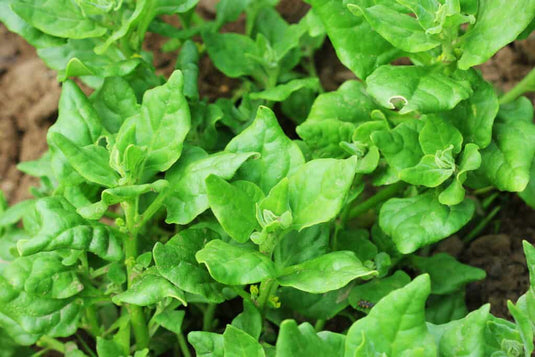
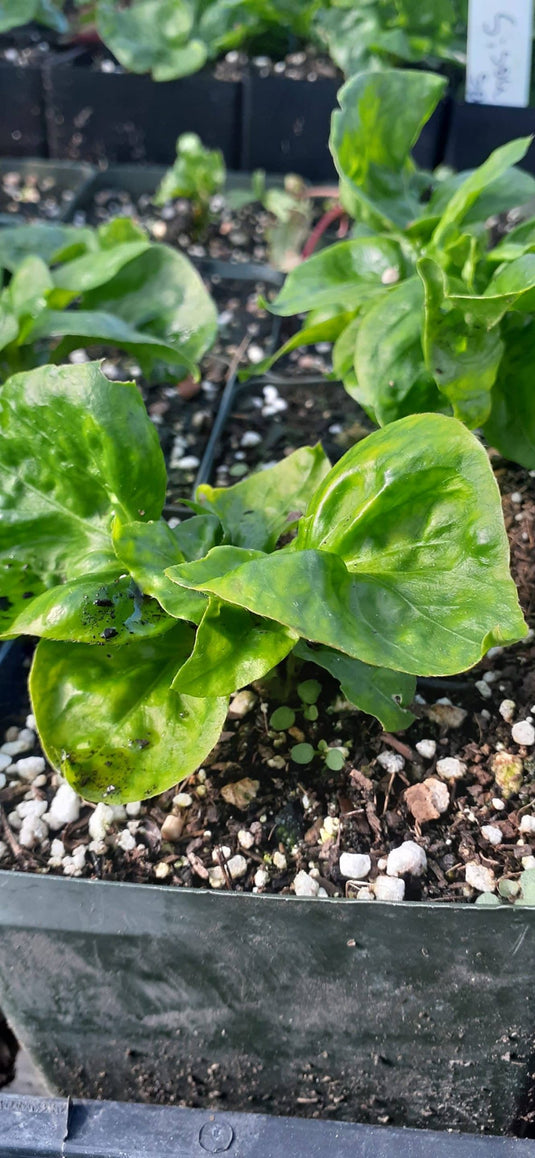
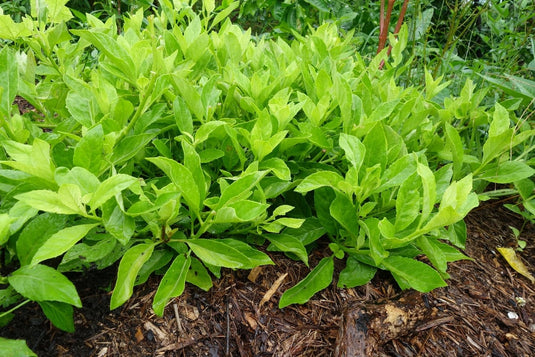
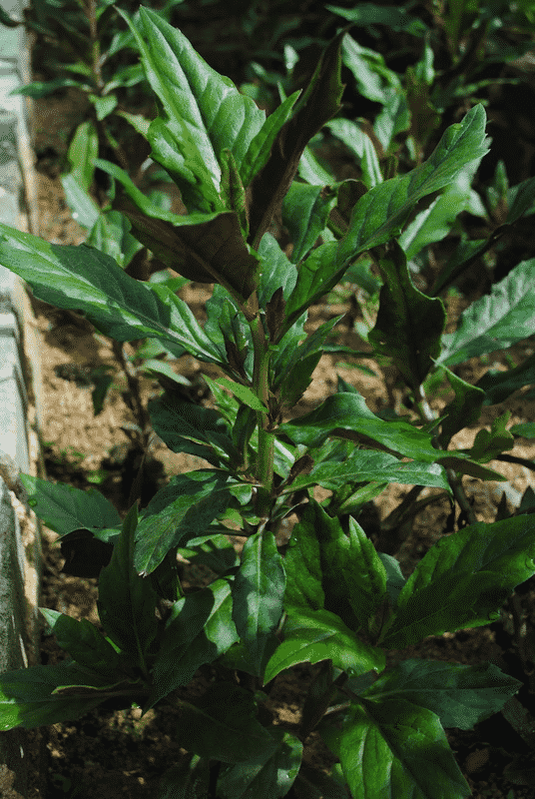
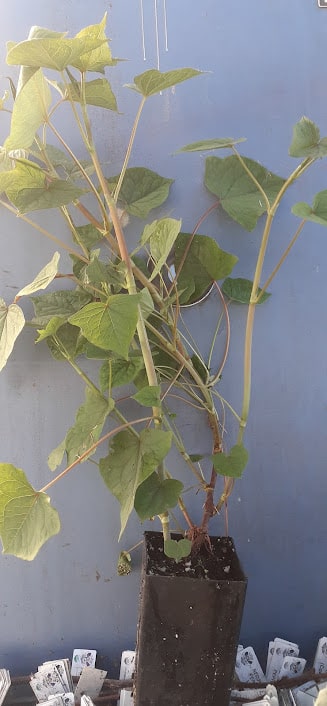
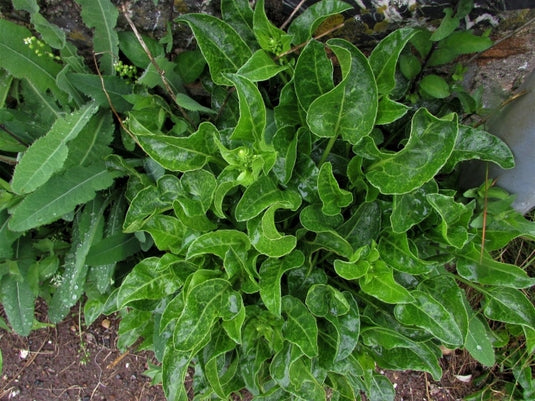
This collection features perennial and self-seeding leafy greens that provide continuous harvests of nutritious, spinach-like leaves without the need for annual replanting, making them cornerstone plants for low-maintenance food forests and permaculture systems. Unlike traditional annual spinach that bolts in heat and requires seasonal replanting, these resilient perennials and hardy self-sowers deliver fresh greens nearly year-round with minimal care once established.
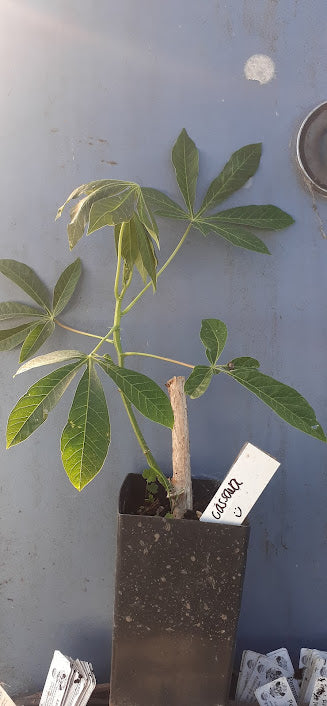
The collection includes diverse species like tree collards, perennial kales, sorrels, Good King Henry, and other hardy leafy vegetables that thrive in the understory of fruit trees or in partial shade conditions where annual greens struggle. These plants provide essential vitamins, minerals, and fresh eating greens while improving soil health, offering wildlife habitat, and filling multiple niches in layered food forest designs. Many varieties are cold-hardy and continue producing through winter when fresh greens are otherwise scarce, while others tolerate summer heat better than conventional spinach.
Adaptable across USDA Zones 3-10 depending on species, these productive perennials represent a shift toward regenerative gardening - establishing once and harvesting for years while building soil fertility and supporting diverse ecosystems in edible landscapes.
Food Forest "Spinach" Collection
This collection features perennial and self-seeding leafy greens that provide continuous harvests of nutritious, spinach-like leaves without the need for annual replanting, making them cornerstone plants for low-maintenance food forests and permaculture systems. Unlike traditional annual spinach that bolts in heat and requires seasonal replanting, these resilient perennials and hardy self-sowers deliver fresh greens nearly year-round with minimal care once established.
The collection includes diverse species like tree collards, perennial kales, sorrels, Good King Henry, and other hardy leafy vegetables that thrive in the understory of fruit trees or in partial shade conditions where annual greens struggle. These plants provide essential vitamins, minerals, and fresh eating greens while improving soil health, offering wildlife habitat, and filling multiple niches in layered food forest designs. Many varieties are cold-hardy and continue producing through winter when fresh greens are otherwise scarce, while others tolerate summer heat better than conventional spinach.
Adaptable across USDA Zones 3-10 depending on species, these productive perennials represent a shift toward regenerative gardening - establishing once and harvesting for years while building soil fertility and supporting diverse ecosystems in edible landscapes.