Deciduous Trees
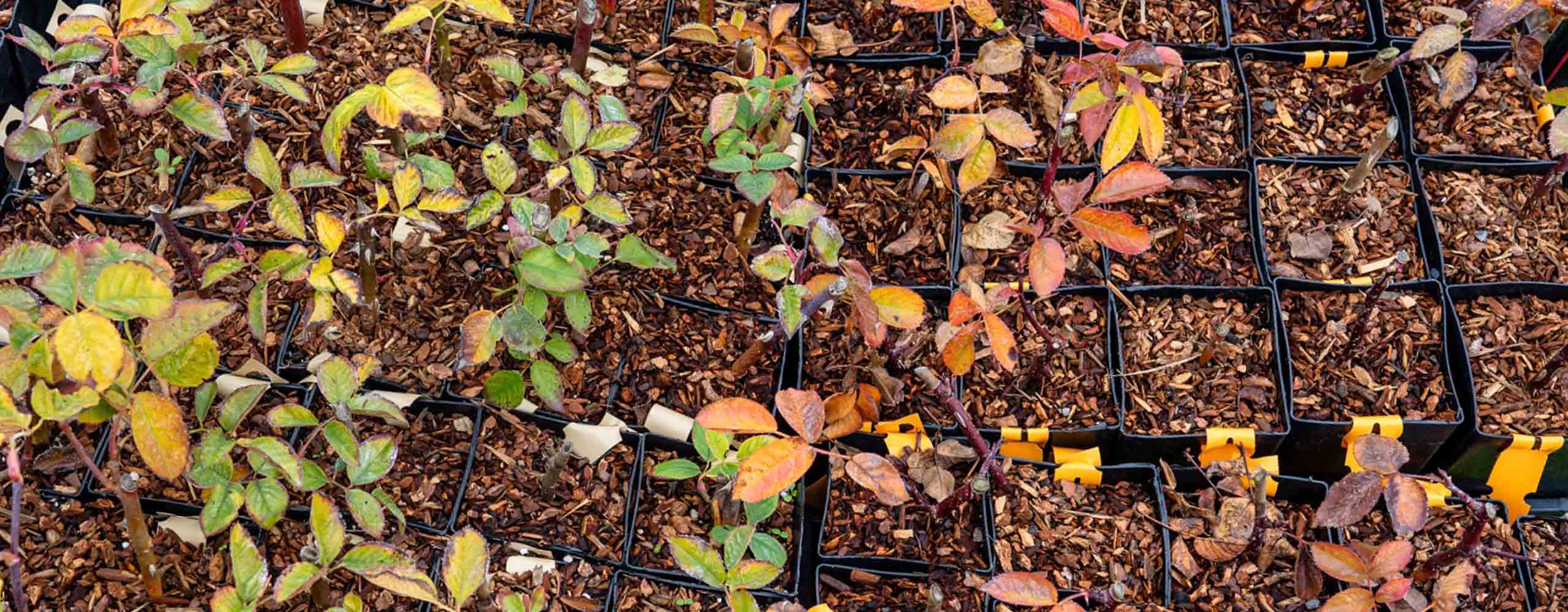
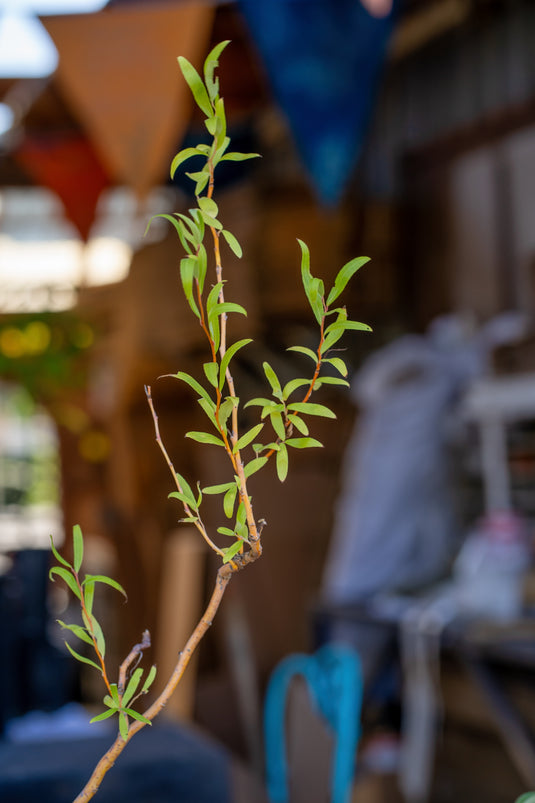
Deciduous trees are essential components of sustainable landscapes, providing seasonal beauty, cooling shade, wildlife habitat, and structural backbone to gardens of every size and style. These trees shed their leaves in fall after displaying brilliant autumn colors, entering winter dormancy before returning with fresh spring growth - a cycle that creates dynamic seasonal interest and allows winter sunlight to reach gardens and homes below.
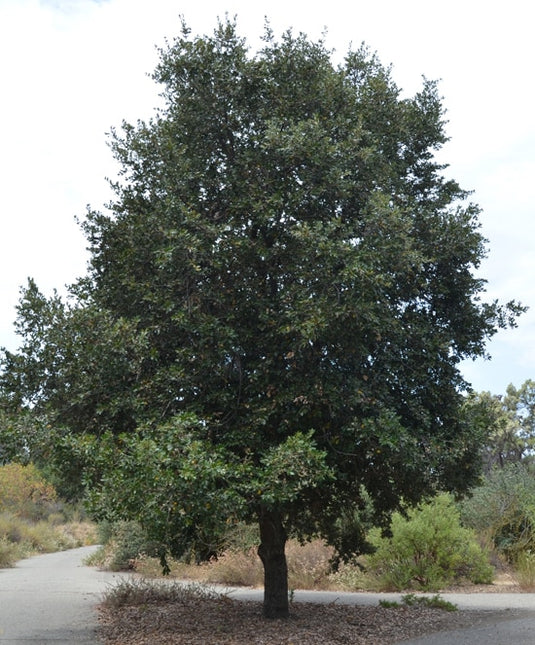
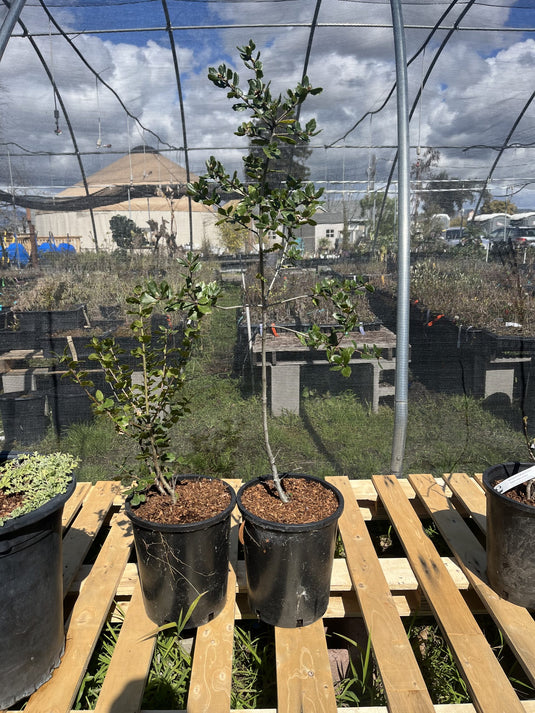
This diverse category includes stately oaks and maples, productive fruit and nut trees, fast-growing shade species, and ornamental flowering varieties suited to every landscape need from street trees to specimen plantings. Deciduous trees offer unmatched versatility, providing summer shade that reduces cooling costs, allowing winter sun to warm homes and gardens, and supporting complex ecosystems of birds, beneficial insects, and wildlife. Many species provide edible nuts, fruits, or sap products alongside their aesthetic and ecological value.
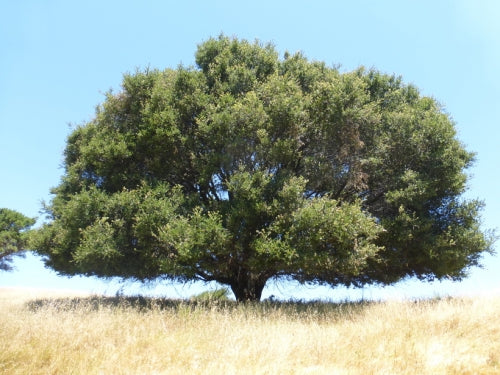
Ranging from compact 15-foot specimens to towering 80-foot forest giants, deciduous trees adapt to nearly every climate across USDA Zones 3-10 and thrive in diverse soil conditions. Essential for creating seasonal interest, cooling microclimates, and building healthy soil through leaf drop, deciduous trees form the backbone of sustainable landscapes and long-term food forests.
Deciduous Trees
Deciduous trees are essential components of sustainable landscapes, providing seasonal beauty, cooling shade, wildlife habitat, and structural backbone to gardens of every size and style. These trees shed their leaves in fall after displaying brilliant autumn colors, entering winter dormancy before returning with fresh spring growth - a cycle that creates dynamic seasonal interest and allows winter sunlight to reach gardens and homes below.
This diverse category includes stately oaks and maples, productive fruit and nut trees, fast-growing shade species, and ornamental flowering varieties suited to every landscape need from street trees to specimen plantings. Deciduous trees offer unmatched versatility, providing summer shade that reduces cooling costs, allowing winter sun to warm homes and gardens, and supporting complex ecosystems of birds, beneficial insects, and wildlife. Many species provide edible nuts, fruits, or sap products alongside their aesthetic and ecological value.
Ranging from compact 15-foot specimens to towering 80-foot forest giants, deciduous trees adapt to nearly every climate across USDA Zones 3-10 and thrive in diverse soil conditions. Essential for creating seasonal interest, cooling microclimates, and building healthy soil through leaf drop, deciduous trees form the backbone of sustainable landscapes and long-term food forests.