Oaks
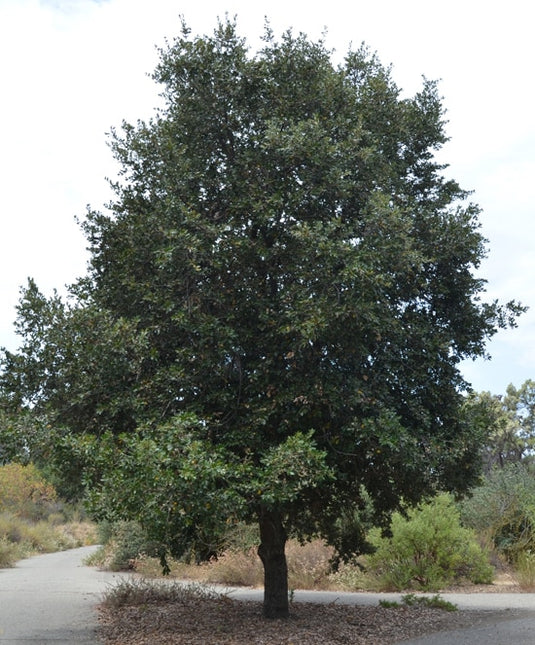
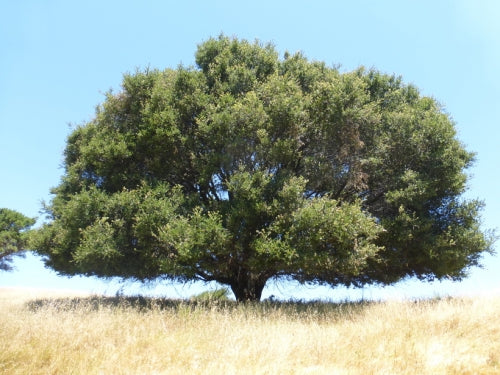
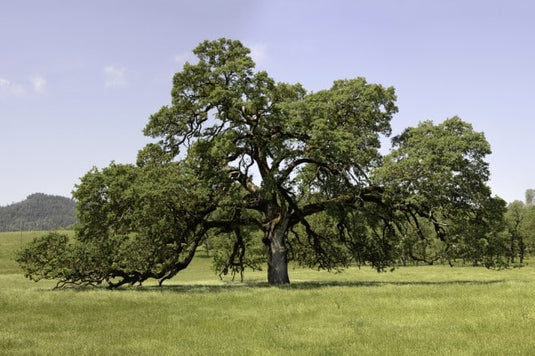
Oaks are majestic, long-lived deciduous and evergreen trees that form the backbone of healthy ecosystems while providing edible acorns, valuable timber, and commanding landscape presence. These iconic trees range from compact 30-foot species to towering 80-foot giants, offering options for every property size and climate zone. Many oaks produce sweet, low-tannin acorns that can be eaten fresh or processed into nutritious flour, nuts, and traditional foods that have sustained indigenous peoples for thousands of years.
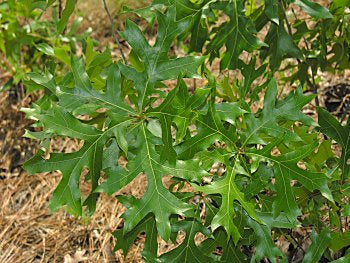
The trees support more wildlife species than virtually any other plant genus, with their acorns feeding deer, bears, squirrels, and countless bird species while their foliage hosts hundreds of caterpillar species critical to food webs. Oaks display remarkable ornamental beauty with distinctive lobed or entire leaves, attractive bark, and brilliant fall colors ranging from russet to deep red depending on species. These deeply rooted trees improve soil structure, prevent erosion, and sequester enormous amounts of carbon over their multi-century lifespans.
Most oaks are drought-tolerant once established and adapt to various soil types, thriving across USDA Zones 3-10 depending on species. Perfect for reforestation, wildlife habitat, legacy shade trees, and edible landscapes seeking enduring beauty and ecological value, oaks represent investments that benefit the land for generations.
Oaks
Oaks are majestic, long-lived deciduous and evergreen trees that form the backbone of healthy ecosystems while providing edible acorns, valuable timber, and commanding landscape presence. These iconic trees range from compact 30-foot species to towering 80-foot giants, offering options for every property size and climate zone. Many oaks produce sweet, low-tannin acorns that can be eaten fresh or processed into nutritious flour, nuts, and traditional foods that have sustained indigenous peoples for thousands of years.
The trees support more wildlife species than virtually any other plant genus, with their acorns feeding deer, bears, squirrels, and countless bird species while their foliage hosts hundreds of caterpillar species critical to food webs. Oaks display remarkable ornamental beauty with distinctive lobed or entire leaves, attractive bark, and brilliant fall colors ranging from russet to deep red depending on species. These deeply rooted trees improve soil structure, prevent erosion, and sequester enormous amounts of carbon over their multi-century lifespans.
Most oaks are drought-tolerant once established and adapt to various soil types, thriving across USDA Zones 3-10 depending on species. Perfect for reforestation, wildlife habitat, legacy shade trees, and edible landscapes seeking enduring beauty and ecological value, oaks represent investments that benefit the land for generations.