Papaya
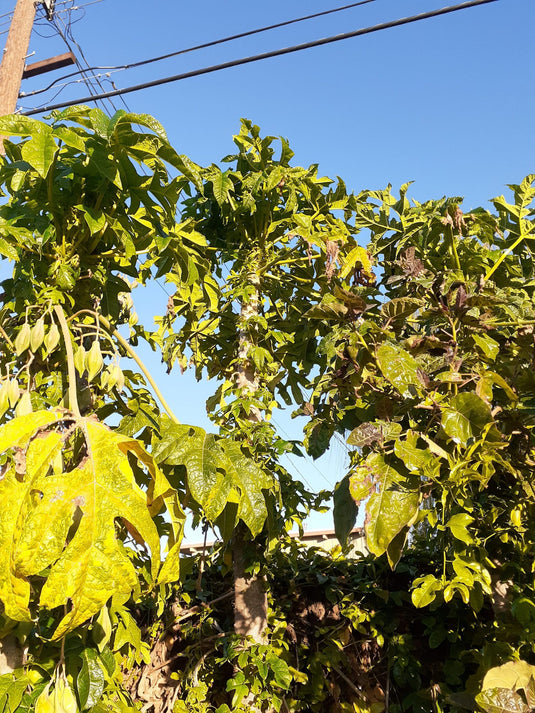
Papayas are fast-growing tropical and subtropical plants that produce delicious, enzyme-rich fruits with remarkable speed and productivity. This diverse group includes the familiar tropical papaya (Carica papaya) alongside lesser-known mountain papayas, babaco, and other Vasconcellea species that adapt to cooler climates and higher elevations. Tropical papayas thrive in frost-free regions, producing large, melon-like fruits with sweet orange flesh and black seeds within 9-12 months of planting, offering incredibly fast returns for gardeners in warm zones.
Mountain papayas and related species tolerate cooler temperatures and light frosts, extending papaya cultivation into marginal climates where tropical types cannot survive. The fruits range from small, intensely flavored mountain papaya to seedless babaco with cucumber-like texture and citrus notes. All papayas are exceptionally rich in digestive enzymes (papain), vitamins A and C, and antioxidants, making them valuable for fresh eating, smoothies, salsas, and traditional medicinal applications.
These herbaceous plants grow rapidly on single trunks or in clumps, requiring minimal space while delivering abundant harvests. Some varieties are self-fertile while others need male and female plants. Suitable for USDA Zones 9-11 for tropical types and Zones 8-10 for cold-hardy species, papayas are perfect for edible landscapes, containers, and greenhouses seeking fast-growing tropical fruits.
Papaya
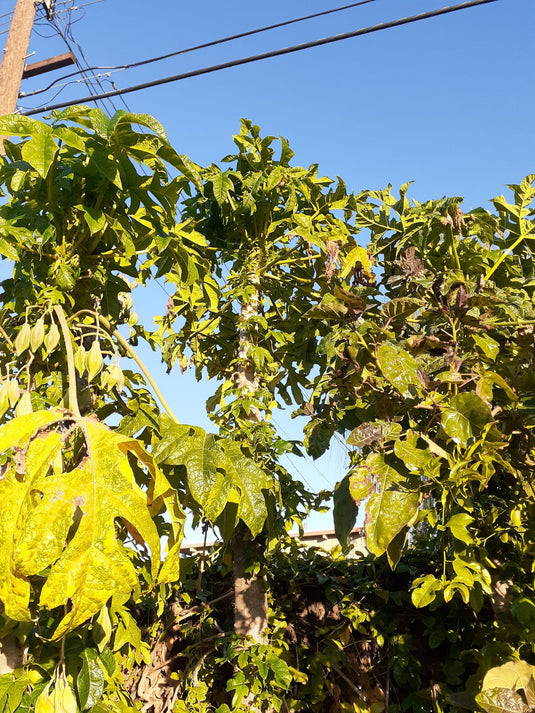
Papayas are fast-growing tropical and subtropical plants that produce delicious, enzyme-rich fruits with remarkable speed and productivity. This diverse group includes the familiar tropical papaya (Carica papaya) alongside lesser-known mountain papayas, babaco, and other Vasconcellea species that adapt to cooler climates and higher elevations. Tropical papayas thrive in frost-free regions, producing large, melon-like fruits with sweet orange flesh and black seeds within 9-12 months of planting, offering incredibly fast returns for gardeners in warm zones.
Mountain papayas and related species tolerate cooler temperatures and light frosts, extending papaya cultivation into marginal climates where tropical types cannot survive. The fruits range from small, intensely flavored mountain papaya to seedless babaco with cucumber-like texture and citrus notes. All papayas are exceptionally rich in digestive enzymes (papain), vitamins A and C, and antioxidants, making them valuable for fresh eating, smoothies, salsas, and traditional medicinal applications.
These herbaceous plants grow rapidly on single trunks or in clumps, requiring minimal space while delivering abundant harvests. Some varieties are self-fertile while others need male and female plants. Suitable for USDA Zones 9-11 for tropical types and Zones 8-10 for cold-hardy species, papayas are perfect for edible landscapes, containers, and greenhouses seeking fast-growing tropical fruits.