Filberts (Corylus avellana)
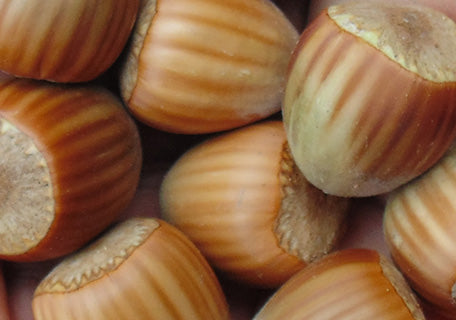
Filberts are beautiful small trees or multi-stemmed shrubs that combine exceptional ornamental value with productive harvests of rich, buttery nuts. These adaptable plants display year-round interest with attractive soft green foliage that turns golden in fall, and showy yellow catkins that form in autumn and dangle throughout winter before releasing pollen to fertilize the tiny bright red female flowers in late winter. The delicious nuts develop in distinctive flared papery husks and ripen in late August through early September, falling naturally or harvested directly from branches to beat competing squirrels and wildlife.
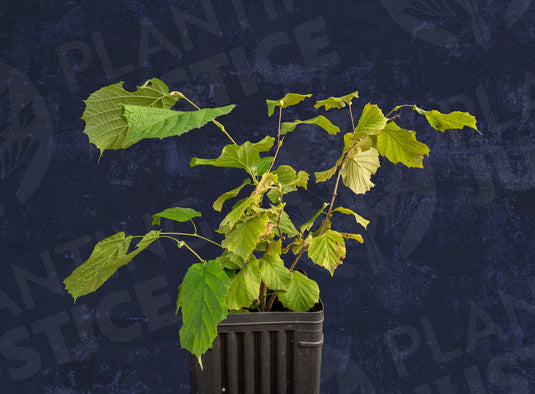
Filberts can be trained as single-trunk trees reaching 12 feet or maintained as attractive multi-stemmed shrubs around 8 feet tall, thriving in the cool, moist climates where they're commercially grown throughout Western Oregon. In regions with hot summers, plants perform best in partial shade or north-facing exposures with protection from intense afternoon sun. Eastern filbert blight has impacted production in some areas - select resistant varieties where this disease is prevalent.
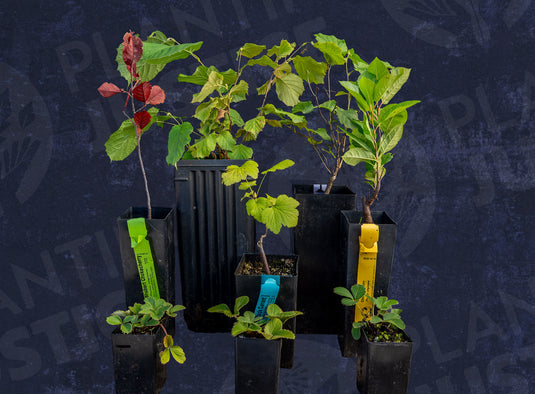
Filberts require cross-pollination between production varieties and compatible pollinizer types for optimal nut set. Hardy across USDA Zones 5-9, these productive and ornamental plants are excellent choices for edible landscapes, hedgerows, and nut orchards seeking both beauty and abundant harvests.
Filberts (Corylus avellana)
Filberts are beautiful small trees or multi-stemmed shrubs that combine exceptional ornamental value with productive harvests of rich, buttery nuts. These adaptable plants display year-round interest with attractive soft green foliage that turns golden in fall, and showy yellow catkins that form in autumn and dangle throughout winter before releasing pollen to fertilize the tiny bright red female flowers in late winter. The delicious nuts develop in distinctive flared papery husks and ripen in late August through early September, falling naturally or harvested directly from branches to beat competing squirrels and wildlife.
Filberts can be trained as single-trunk trees reaching 12 feet or maintained as attractive multi-stemmed shrubs around 8 feet tall, thriving in the cool, moist climates where they're commercially grown throughout Western Oregon. In regions with hot summers, plants perform best in partial shade or north-facing exposures with protection from intense afternoon sun. Eastern filbert blight has impacted production in some areas - select resistant varieties where this disease is prevalent.
Filberts require cross-pollination between production varieties and compatible pollinizer types for optimal nut set. Hardy across USDA Zones 5-9, these productive and ornamental plants are excellent choices for edible landscapes, hedgerows, and nut orchards seeking both beauty and abundant harvests.