Hawthorns
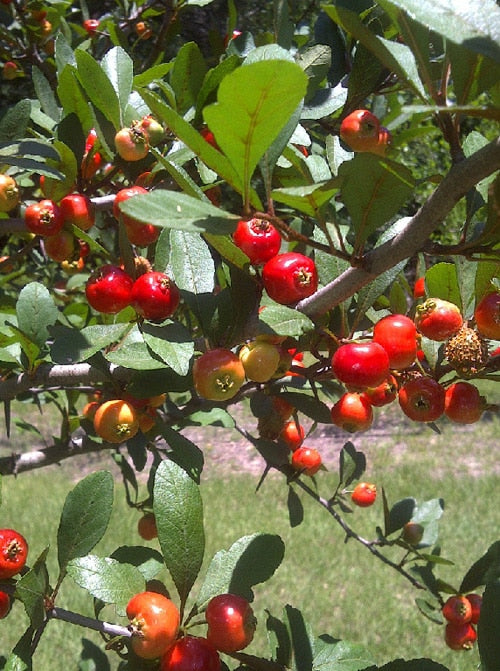
Hawthorns (Crataegus spp.) are small, ornamental deciduous trees valued for their beautiful spring blooms, bright edible fruits, and traditional medicinal properties. These attractive trees reach 15-25 feet tall with dense branching habits that make them excellent as specimen plantings or clipped into attractive hedges and screens.
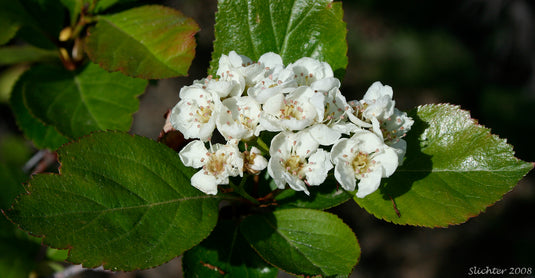
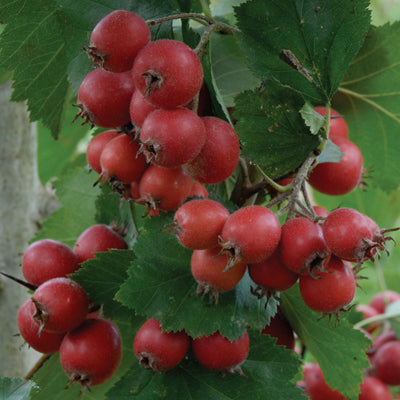
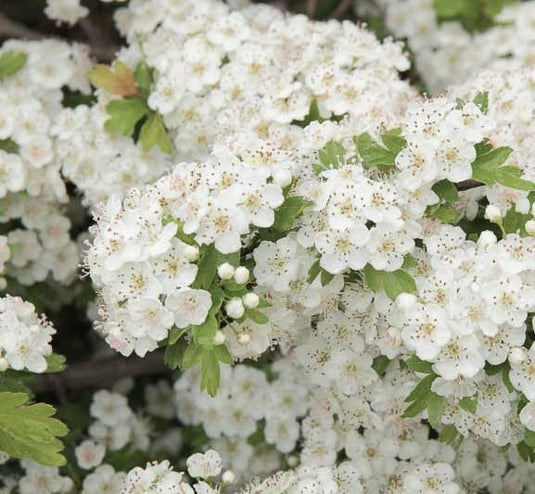
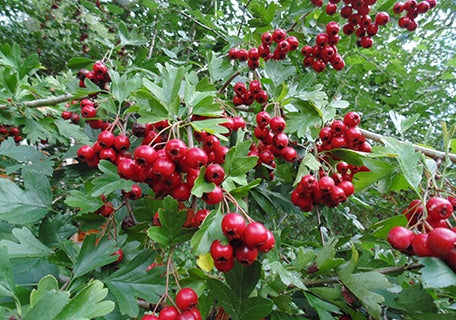
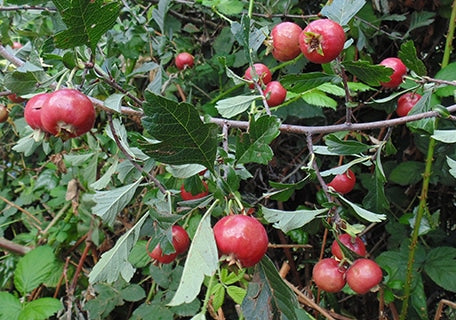
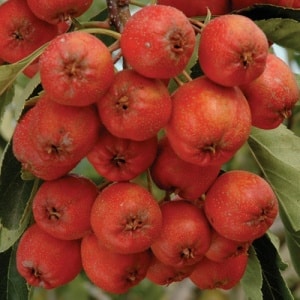
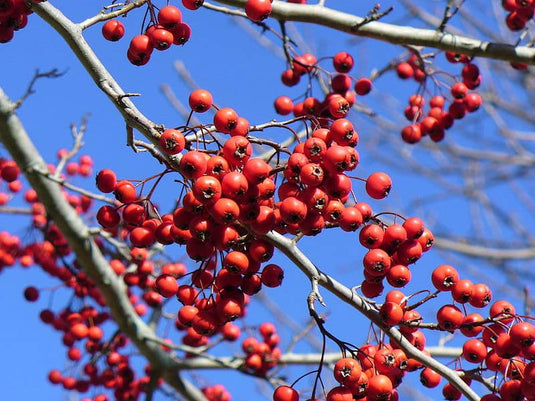
Clusters of fragrant white to pink flowers cover the branches in spring, attracting pollinators and creating stunning displays before giving way to abundant bright red fruits (haws) in fall. The tart, apple-flavored fruits make excellent jams, jellies, and traditional preserves while providing critical food for songbirds and wildlife through autumn and winter. Hawthorn fruits, flowers, and leaves have long been used in herbal medicine as a heart tonic and cardiovascular support, adding therapeutic value to their ornamental and edible qualities. The foliage turns attractive shades of orange, red, and purple in fall, extending seasonal interest.
Self-fertile and remarkably tough once established, hawthorns adapt to various soil types and tolerate urban conditions, drought, and neglect. Hardy across USDA Zones 3-9 depending on species, these versatile trees combine beauty, food production, wildlife value, and medicinal benefits for sustainable landscapes and edible hedgerows.
Hawthorns
Hawthorns (Crataegus spp.) are small, ornamental deciduous trees valued for their beautiful spring blooms, bright edible fruits, and traditional medicinal properties. These attractive trees reach 15-25 feet tall with dense branching habits that make them excellent as specimen plantings or clipped into attractive hedges and screens.
Clusters of fragrant white to pink flowers cover the branches in spring, attracting pollinators and creating stunning displays before giving way to abundant bright red fruits (haws) in fall. The tart, apple-flavored fruits make excellent jams, jellies, and traditional preserves while providing critical food for songbirds and wildlife through autumn and winter. Hawthorn fruits, flowers, and leaves have long been used in herbal medicine as a heart tonic and cardiovascular support, adding therapeutic value to their ornamental and edible qualities. The foliage turns attractive shades of orange, red, and purple in fall, extending seasonal interest.
Self-fertile and remarkably tough once established, hawthorns adapt to various soil types and tolerate urban conditions, drought, and neglect. Hardy across USDA Zones 3-9 depending on species, these versatile trees combine beauty, food production, wildlife value, and medicinal benefits for sustainable landscapes and edible hedgerows.