Nitrogen Fixing Trees
Nitrogen fixing trees are essential components of sustainable landscapes and food forests, enriching soil fertility while providing edible harvests, wildlife habitat, and multiple ecosystem services. These leguminous trees form symbiotic relationships with rhizobia bacteria in root nodules, converting atmospheric nitrogen into plant-available forms that benefit surrounding crops and plantings.
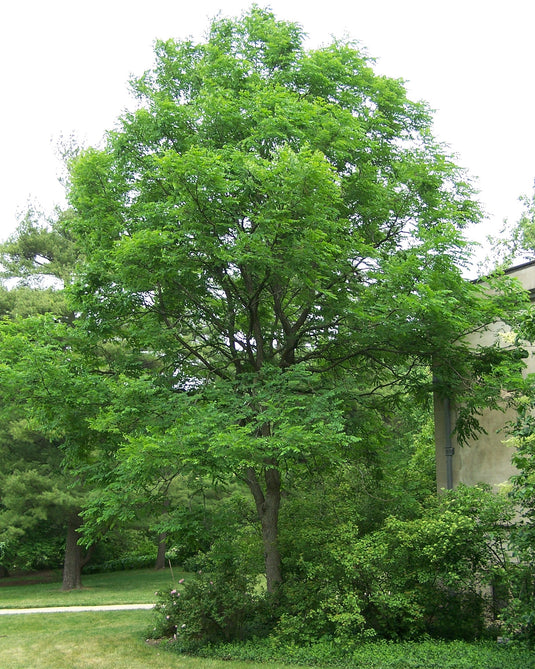
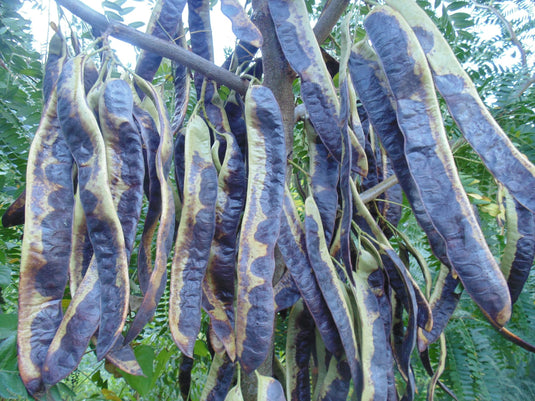
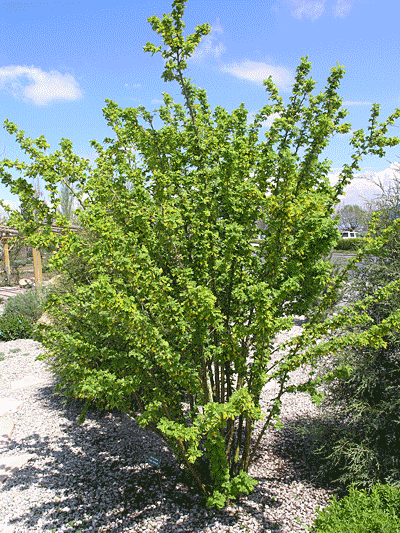
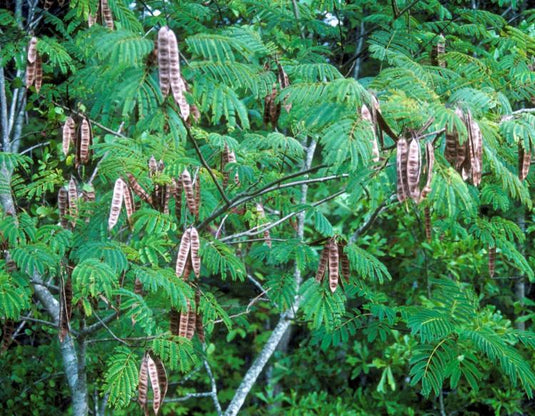
Species like black locust, honey locust, acacia, and mesquite produce abundant nutritious pods that have fed people and livestock for centuries, typically high in both sugars and proteins. The pods can be ground into flour for breads, used in soups and stews, or processed into sweet syrups and traditional foods. Beyond their edible value, nitrogen fixers improve degraded soils, provide fast-growing biomass for mulch and compost, offer valuable timber and firewood, and create filtered shade that supports understory plantings. Many species produce fragrant, nectar-rich flowers that support pollinators, while their deep taproots break up compacted soils and mine nutrients from depth.
These multi-functional trees thrive in challenging conditions including poor soils, drought, and extreme temperatures where other trees struggle. Adaptable across USDA Zones 3-11 depending on species, nitrogen fixing trees are cornerstone plants for permaculture guilds, agroforestry systems, and regenerative landscapes seeking to build soil health while producing food and fodder.
Nitrogen Fixing Trees
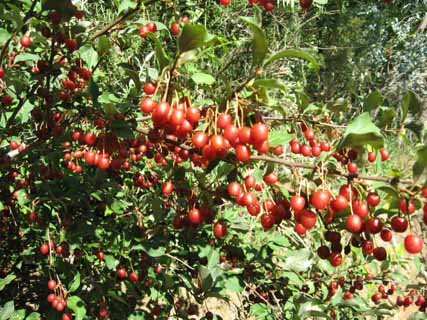
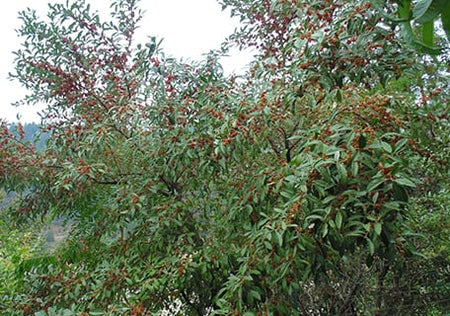
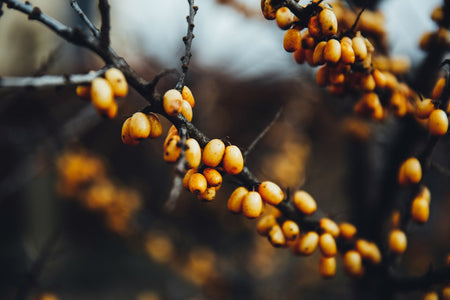
Nitrogen fixing trees are essential components of sustainable landscapes and food forests, enriching soil fertility while providing edible harvests, wildlife habitat, and multiple ecosystem services. These leguminous trees form symbiotic relationships with rhizobia bacteria in root nodules, converting atmospheric nitrogen into plant-available forms that benefit surrounding crops and plantings.
Species like black locust, honey locust, acacia, and mesquite produce abundant nutritious pods that have fed people and livestock for centuries, typically high in both sugars and proteins. The pods can be ground into flour for breads, used in soups and stews, or processed into sweet syrups and traditional foods. Beyond their edible value, nitrogen fixers improve degraded soils, provide fast-growing biomass for mulch and compost, offer valuable timber and firewood, and create filtered shade that supports understory plantings. Many species produce fragrant, nectar-rich flowers that support pollinators, while their deep taproots break up compacted soils and mine nutrients from depth.
These multi-functional trees thrive in challenging conditions including poor soils, drought, and extreme temperatures where other trees struggle. Adaptable across USDA Zones 3-11 depending on species, nitrogen fixing trees are cornerstone plants for permaculture guilds, agroforestry systems, and regenerative landscapes seeking to build soil health while producing food and fodder.