Plums, Japanese
For clarity: Loquats (Eriobotrya japonica) have historically also been called ‘Japanese Plum,’ though they are botanically distinct from Japanese Plums (Prunus salicina). Click here for to check out our Loquats.
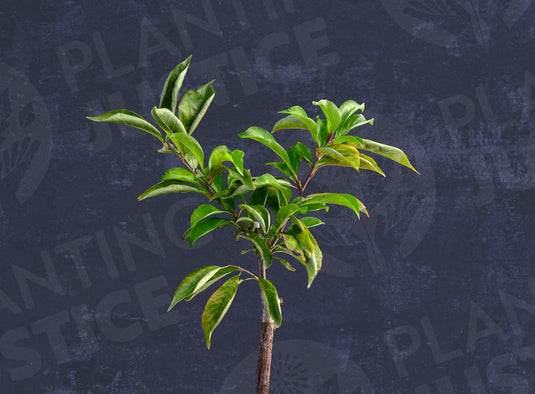
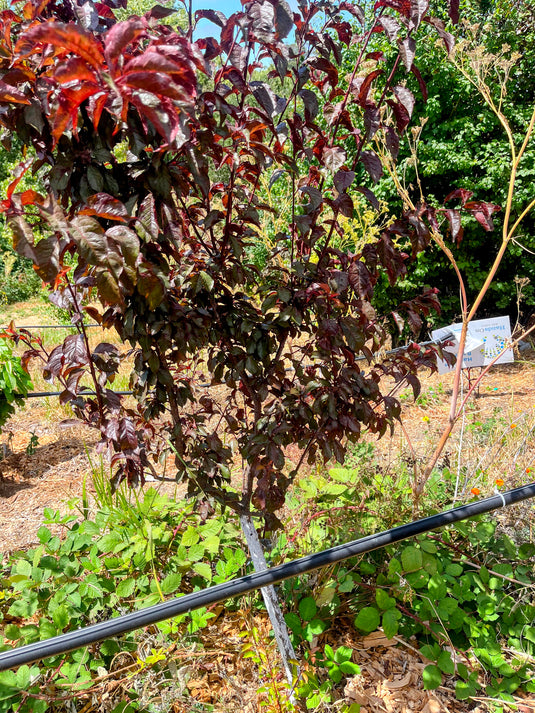
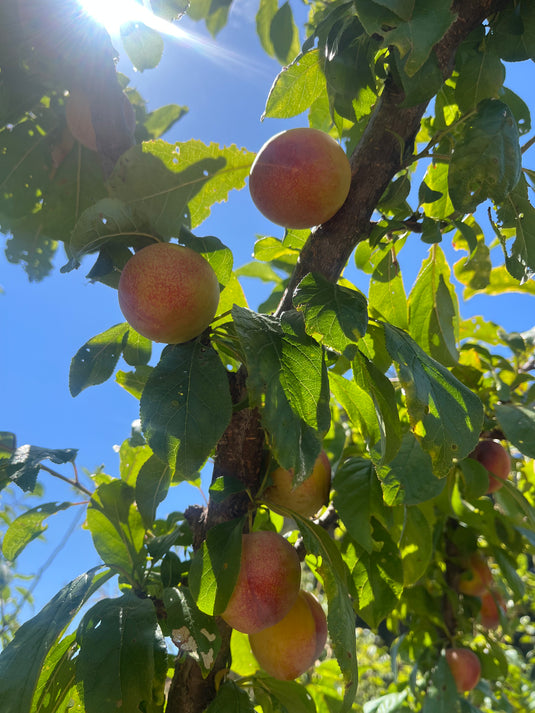
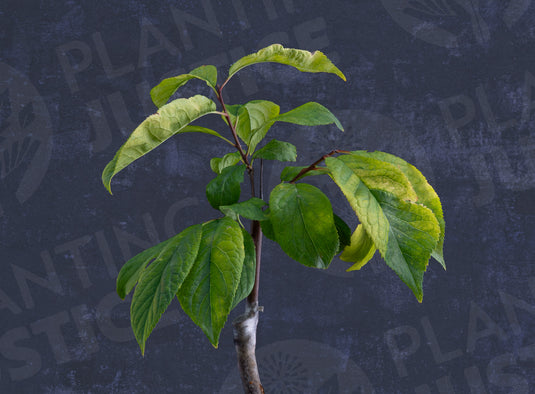
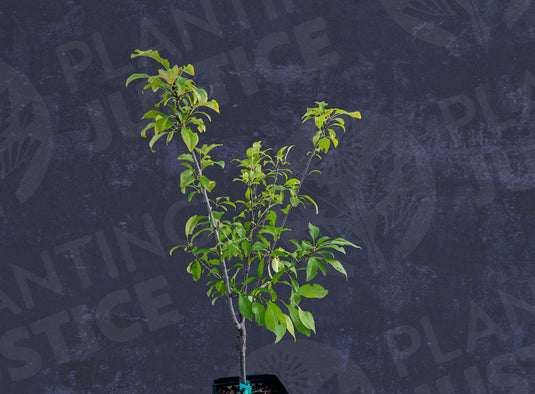
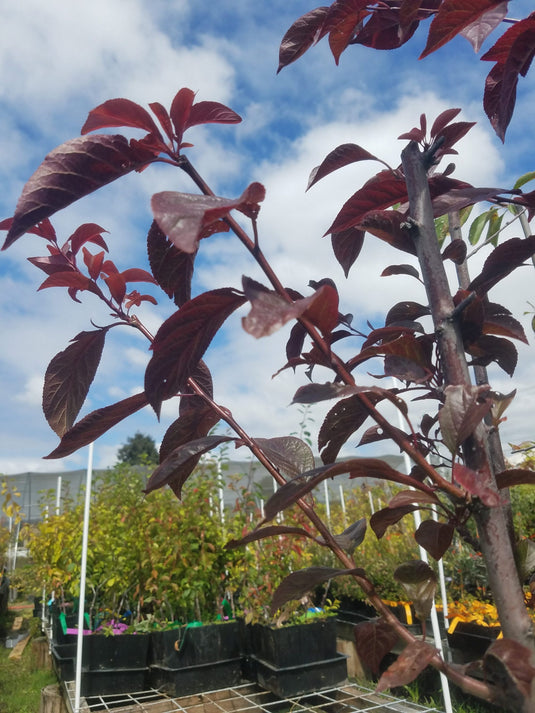
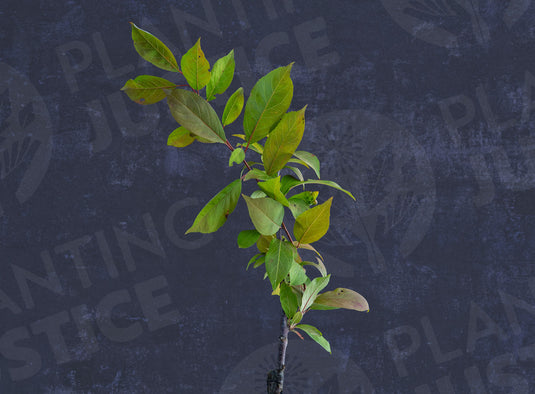
Japanese Plums are fast-growing deciduous trees that produce abundant crops of large, juicy, sweet fruits ideal for fresh eating and summer enjoyment. These attractive trees reach 15 feet tall and bear fruit at a remarkably young age, often producing within 2-3 years of planting for quick returns.
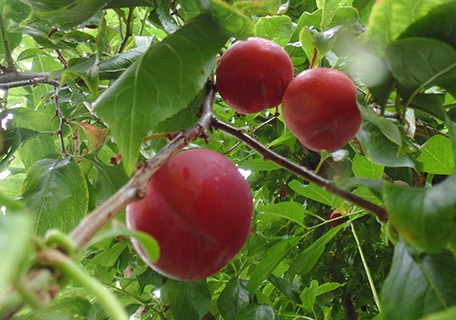
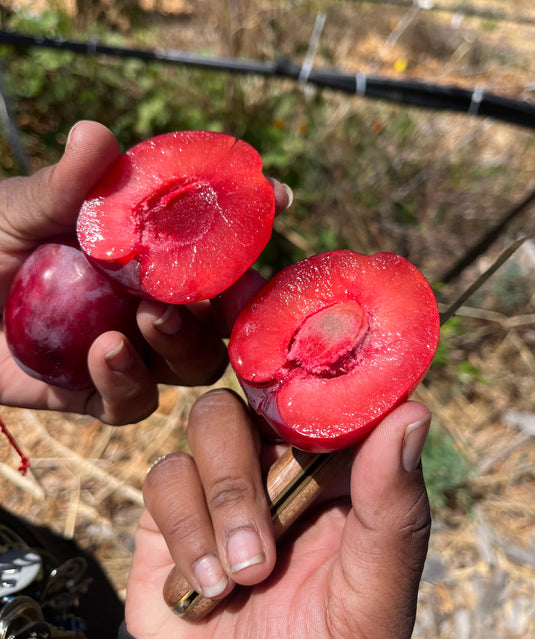
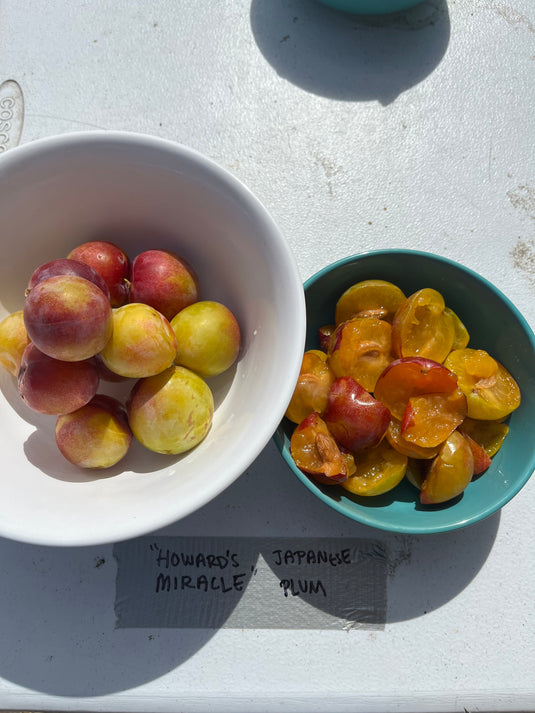
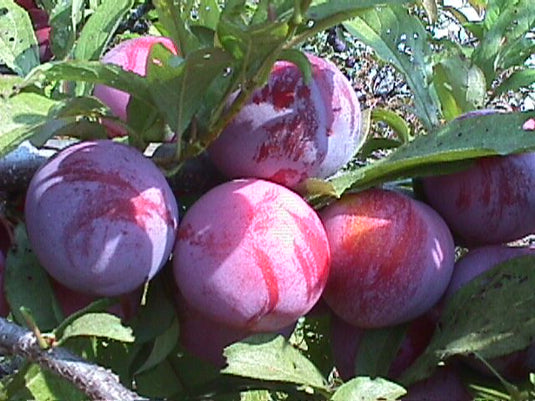
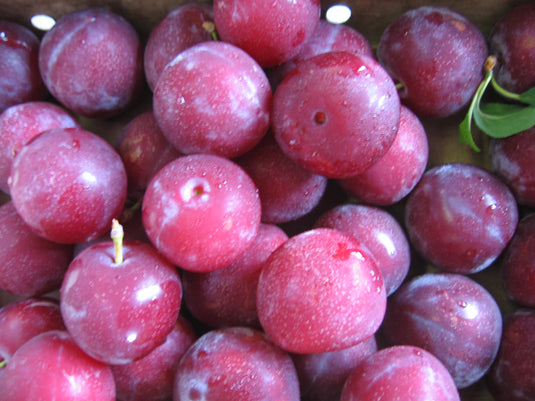
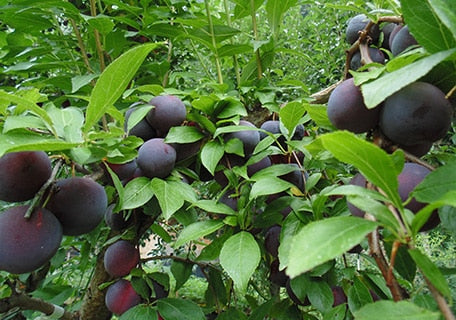
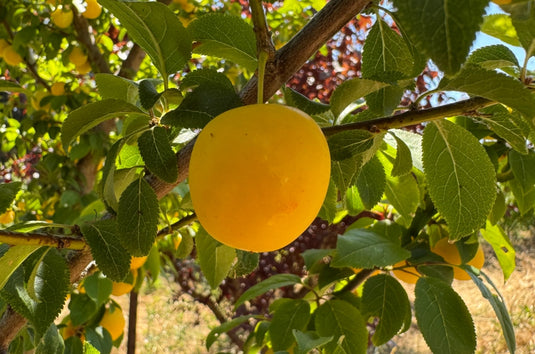
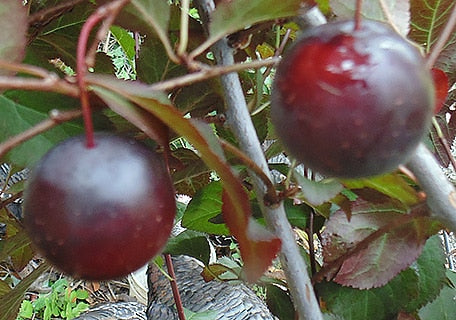
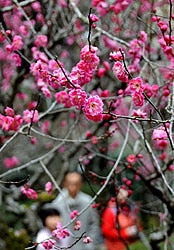
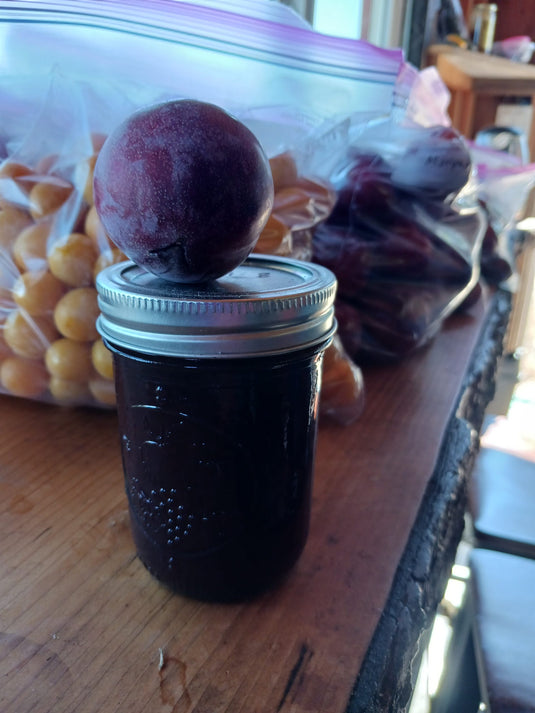
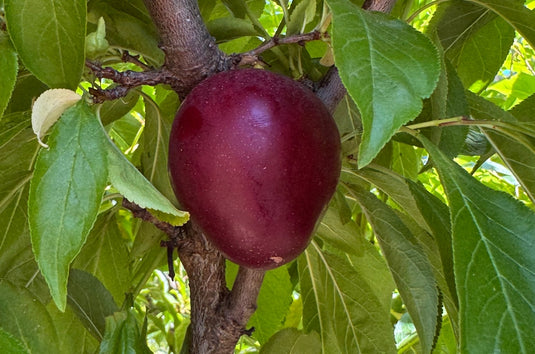
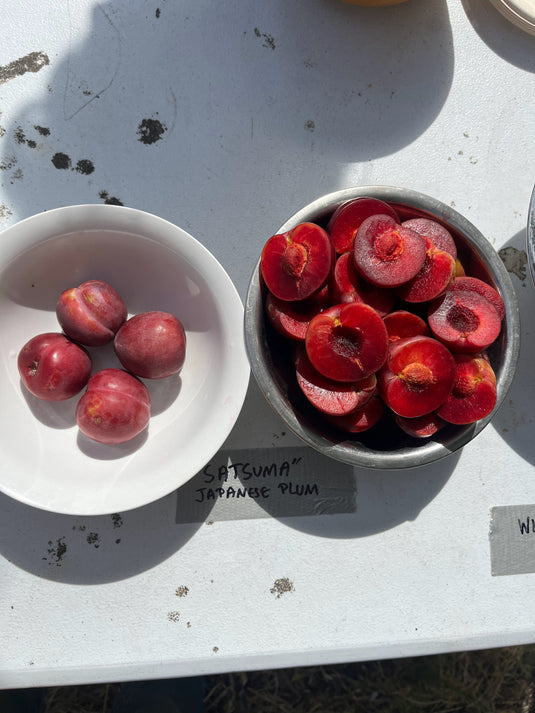
The large fruits offer succulent, clingstone flesh in colors ranging from red and purple to golden yellow, with exceptionally sweet flavor when tree-ripened. Japanese plums bloom early in spring with showy white to pink blossoms, making them best suited to milder climates where late frosts are less likely to damage flowers and reduce crops. These plums require less winter chill than European varieties (typically 300-900 hours depending on cultivar), allowing successful cultivation in warmer regions where European plums may not receive adequate dormancy.
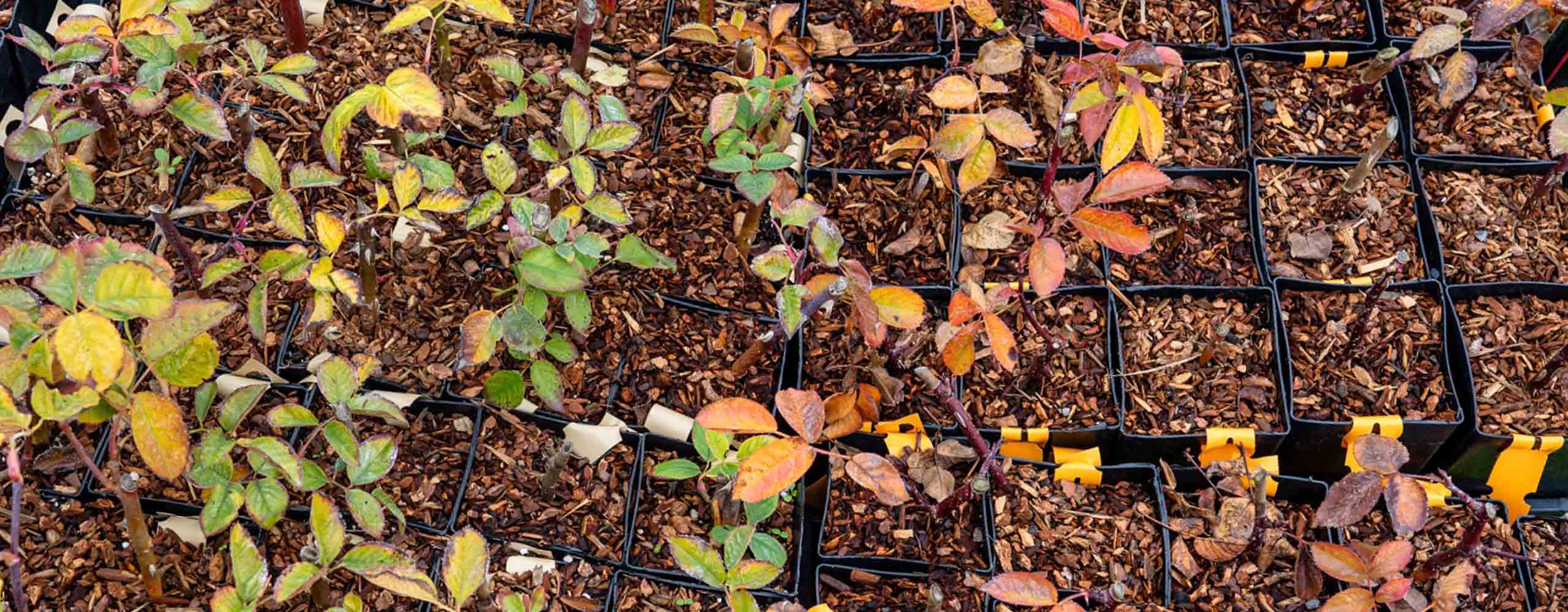
Most Japanese plums require cross-pollination with another compatible Japanese variety for optimal fruit set, though a few are self-fertile. The trees thrive in well-drained soil with full sun and adapt to various conditions in temperate climates. Grafted on reliable Marianna 2624 rootstock for vigor and disease resistance, Japanese plums are hardy across USDA Zones 5-9 and ideal for home orchards seeking early harvests of large, sweet stone fruits with exceptional fresh-eating quality.
Plums, Japanese
For clarity: Loquats (Eriobotrya japonica) have historically also been called ‘Japanese Plum,’ though they are botanically distinct from Japanese Plums (Prunus salicina). Click here for to check out our Loquats.
Japanese Plums are fast-growing deciduous trees that produce abundant crops of large, juicy, sweet fruits ideal for fresh eating and summer enjoyment. These attractive trees reach 15 feet tall and bear fruit at a remarkably young age, often producing within 2-3 years of planting for quick returns.
The large fruits offer succulent, clingstone flesh in colors ranging from red and purple to golden yellow, with exceptionally sweet flavor when tree-ripened. Japanese plums bloom early in spring with showy white to pink blossoms, making them best suited to milder climates where late frosts are less likely to damage flowers and reduce crops. These plums require less winter chill than European varieties (typically 300-900 hours depending on cultivar), allowing successful cultivation in warmer regions where European plums may not receive adequate dormancy.
Most Japanese plums require cross-pollination with another compatible Japanese variety for optimal fruit set, though a few are self-fertile. The trees thrive in well-drained soil with full sun and adapt to various conditions in temperate climates. Grafted on reliable Marianna 2624 rootstock for vigor and disease resistance, Japanese plums are hardy across USDA Zones 5-9 and ideal for home orchards seeking early harvests of large, sweet stone fruits with exceptional fresh-eating quality.