Serviceberry (Amelanchier spp.)
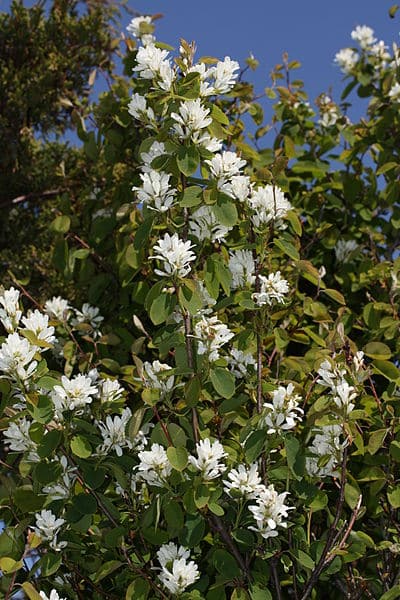
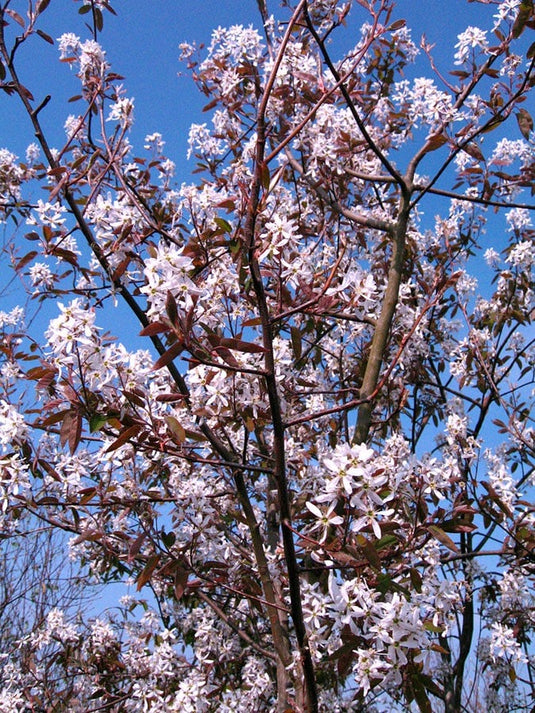
Serviceberries are spectacular multi-stemmed shrubs or small trees that provide exceptional four-season beauty alongside delicious, nutritious fruit harvests. These attractive plants reach 15-25 feet tall depending on species, producing masses of delicate white flowers in early spring that create stunning displays before most other plants bloom.
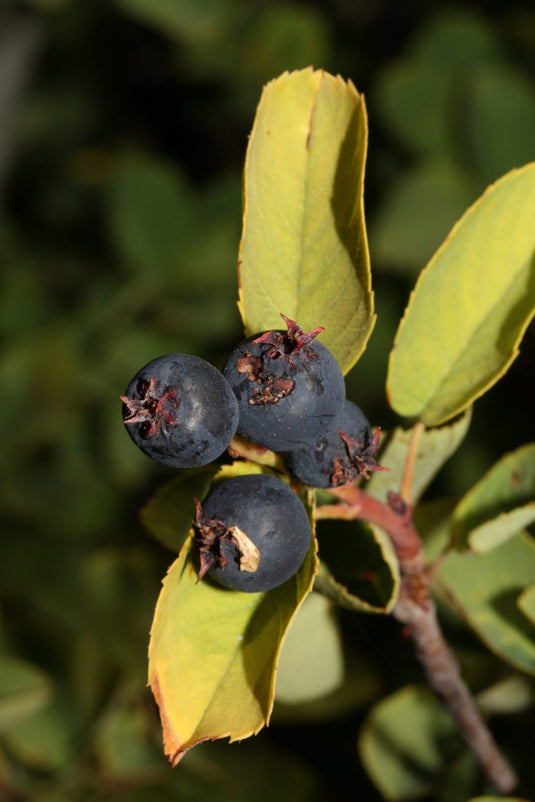
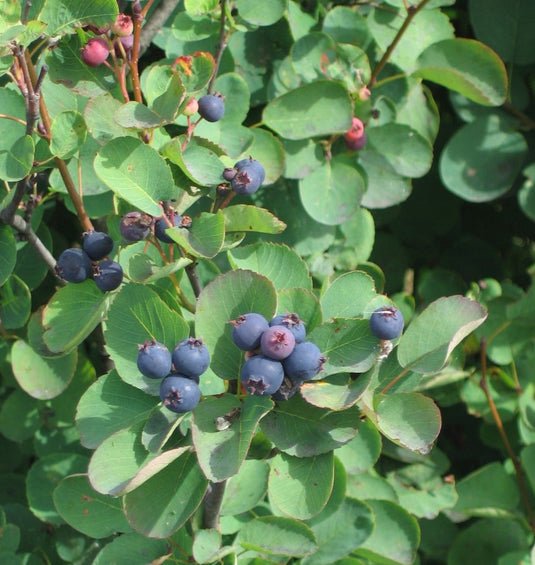
The sweet, mild fruits ripen to deep blue-purple in early summer, offering a flavor reminiscent of blueberries with hints of almond that is delightful fresh, baked into pies and pancakes, or preserved in jams and syrups. Rich in antioxidants, vitamins, and minerals, serviceberries are among the most nutritious native fruits. The foliage transforms into gorgeous shades of red, orange, and gold in fall, creating brilliant autumn displays, while smooth gray bark provides winter interest.
Native to North America and beloved by wildlife, serviceberries support numerous bird species and beneficial insects while adapting to various soil types and light conditions from full sun to partial shade. Remarkably cold-hardy and drought-tolerant once established, these low-maintenance plants demonstrate excellent pest and disease resistance. Hardy across USDA Zones 2-9 depending on species, serviceberries are ideal for edible landscapes, native plantings, wildlife gardens, and anyone seeking beautiful, productive shrubs with year-round appeal.
Serviceberry (Amelanchier spp.)
Serviceberries are spectacular multi-stemmed shrubs or small trees that provide exceptional four-season beauty alongside delicious, nutritious fruit harvests. These attractive plants reach 15-25 feet tall depending on species, producing masses of delicate white flowers in early spring that create stunning displays before most other plants bloom.
The sweet, mild fruits ripen to deep blue-purple in early summer, offering a flavor reminiscent of blueberries with hints of almond that is delightful fresh, baked into pies and pancakes, or preserved in jams and syrups. Rich in antioxidants, vitamins, and minerals, serviceberries are among the most nutritious native fruits. The foliage transforms into gorgeous shades of red, orange, and gold in fall, creating brilliant autumn displays, while smooth gray bark provides winter interest.
Native to North America and beloved by wildlife, serviceberries support numerous bird species and beneficial insects while adapting to various soil types and light conditions from full sun to partial shade. Remarkably cold-hardy and drought-tolerant once established, these low-maintenance plants demonstrate excellent pest and disease resistance. Hardy across USDA Zones 2-9 depending on species, serviceberries are ideal for edible landscapes, native plantings, wildlife gardens, and anyone seeking beautiful, productive shrubs with year-round appeal.