Strawberries (Fragaria x ananassa)
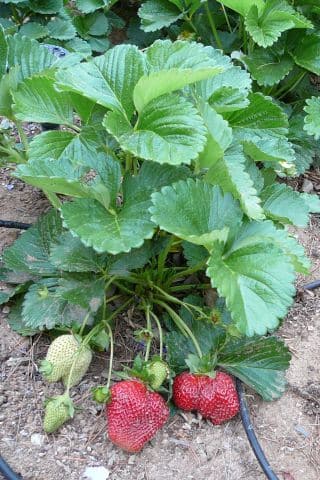
Strawberries are beloved perennial fruits that deliver sweet, juicy berries and continuous harvests with remarkable ease and minimal space requirements. These low-growing plants produce attractive foliage, delicate white flowers, and abundant red fruits that are perfect for fresh eating, freezing, preserving, and baking into classic desserts.
Strawberries come in three main types: June-bearing varieties that produce one large, concentrated crop in early summer; everbearing types that yield two to three harvests throughout the growing season; and day-neutral varieties that fruit continuously from spring through fall in cool climates. The plants spread through runners, quickly filling beds and creating productive ground covers that suppress weeds while delivering generous harvests. Strawberries adapt to various growing situations including traditional garden beds, raised beds, containers, hanging baskets, and vertical growing systems, making them accessible for gardeners with limited space.
They prefer full sun, well-drained soil rich in organic matter, and consistent moisture for optimal production. Plants are typically replaced every 2-4 years to maintain vigor and productivity, though they continue producing with diminishing yields if left undisturbed. Hardy across USDA Zones 3-10 depending on variety, strawberries are ideal for family gardens, edible landscapes, and anyone seeking quick returns and delicious homegrown berries with minimal investment.
Strawberries (Fragaria x ananassa)
Strawberries are beloved perennial fruits that deliver sweet, juicy berries and continuous harvests with remarkable ease and minimal space requirements. These low-growing plants produce attractive foliage, delicate white flowers, and abundant red fruits that are perfect for fresh eating, freezing, preserving, and baking into classic desserts.
Strawberries come in three main types: June-bearing varieties that produce one large, concentrated crop in early summer; everbearing types that yield two to three harvests throughout the growing season; and day-neutral varieties that fruit continuously from spring through fall in cool climates. The plants spread through runners, quickly filling beds and creating productive ground covers that suppress weeds while delivering generous harvests. Strawberries adapt to various growing situations including traditional garden beds, raised beds, containers, hanging baskets, and vertical growing systems, making them accessible for gardeners with limited space.
They prefer full sun, well-drained soil rich in organic matter, and consistent moisture for optimal production. Plants are typically replaced every 2-4 years to maintain vigor and productivity, though they continue producing with diminishing yields if left undisturbed. Hardy across USDA Zones 3-10 depending on variety, strawberries are ideal for family gardens, edible landscapes, and anyone seeking quick returns and delicious homegrown berries with minimal investment.