Goji (Lycium chinense)
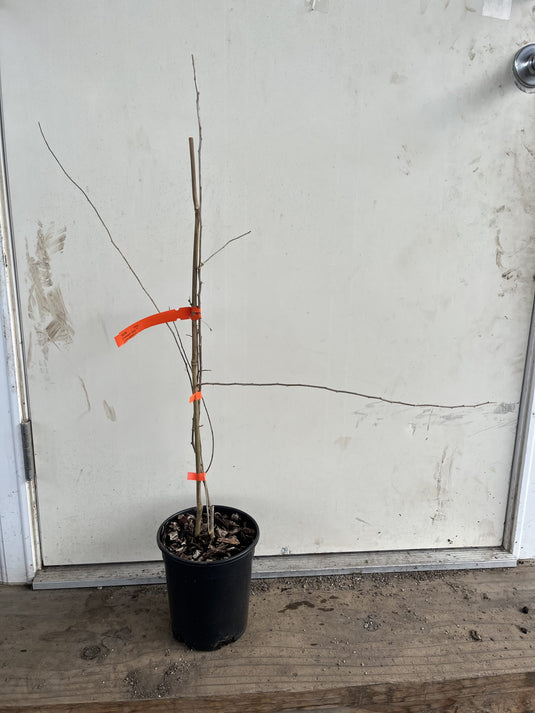
Goji, also known as Wolfberry, Chinese Boxthorn, and Matrimony Vine, is a vigorous deciduous shrub native to China and celebrated as a superfood for its exceptionally nutritious berries. This adaptable plant produces arching, vine-like branches up to 12 feet long that can sprawl naturally, be trained upright on stakes, or clipped into attractive hedges for versatile landscape applications.
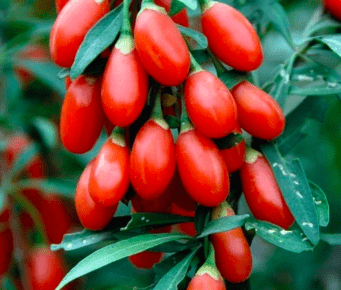
Delicate purple bell-shaped flowers bloom prolifically from spring through early summer, gradually transforming into bright red oblong berries that ripen progressively throughout the season for extended harvests. The sweet, slightly tangy berries are extraordinarily rich in antioxidants, carotenoids, essential amino acids, and minerals, earning their reputation as one of the world's most nutritious fruits. Berries are delicious fresh, dried for snacking and teas, or used in traditional Chinese soups and cooking, while the tender young leaves are also edible both raw in salads and cooked as greens.
Remarkably drought-tolerant once established and thriving in well-drained soils with full sun, goji is a tough, low-maintenance plant hardy to -10°F. Suitable for USDA Zones 5-9, this productive shrub combines superfood nutrition with ease of cultivation for health-conscious gardeners and edible landscapes.
Goji (Lycium chinense)
Goji, also known as Wolfberry, Chinese Boxthorn, and Matrimony Vine, is a vigorous deciduous shrub native to China and celebrated as a superfood for its exceptionally nutritious berries. This adaptable plant produces arching, vine-like branches up to 12 feet long that can sprawl naturally, be trained upright on stakes, or clipped into attractive hedges for versatile landscape applications.
Delicate purple bell-shaped flowers bloom prolifically from spring through early summer, gradually transforming into bright red oblong berries that ripen progressively throughout the season for extended harvests. The sweet, slightly tangy berries are extraordinarily rich in antioxidants, carotenoids, essential amino acids, and minerals, earning their reputation as one of the world's most nutritious fruits. Berries are delicious fresh, dried for snacking and teas, or used in traditional Chinese soups and cooking, while the tender young leaves are also edible both raw in salads and cooked as greens.
Remarkably drought-tolerant once established and thriving in well-drained soils with full sun, goji is a tough, low-maintenance plant hardy to -10°F. Suitable for USDA Zones 5-9, this productive shrub combines superfood nutrition with ease of cultivation for health-conscious gardeners and edible landscapes.