Pears, Asian (Pyrus pyrifolia)
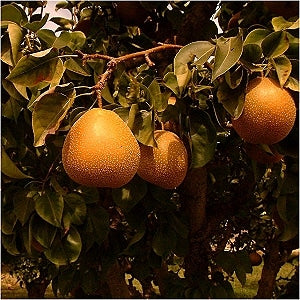
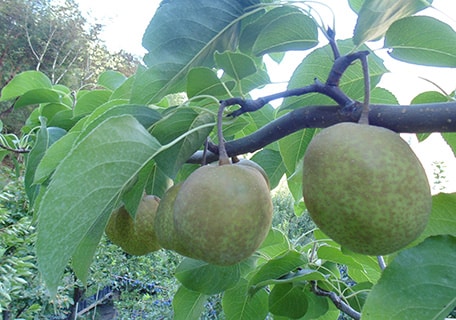
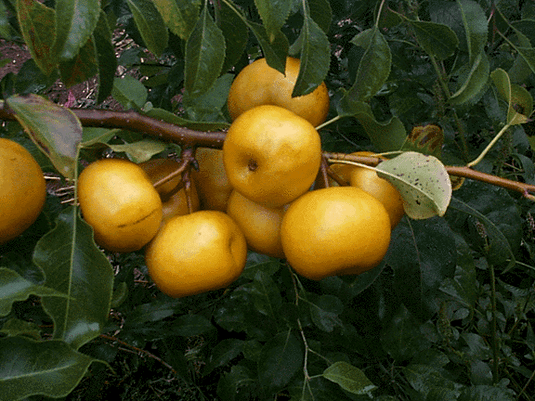
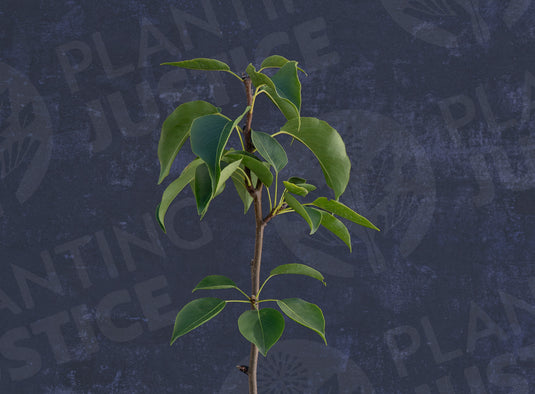
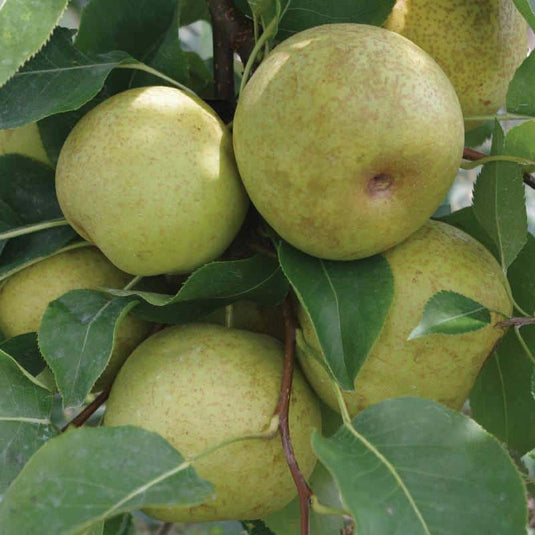
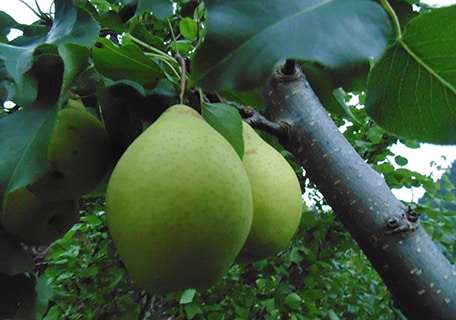
Asian Pears are exceptional deciduous fruit trees that produce crisp, juicy fruits with refreshing sweetness and apple-like texture quite different from European pears. These attractive trees reach 15-18 feet tall with lustrous large leaves that turn beautiful colors in fall, creating ornamental appeal beyond their productive harvests. Unlike European pears that require post-harvest ripening, Asian pears are ready to eat straight from the tree with satisfying crunch and abundant juice.
The trees are remarkably precocious, bearing abundant crops at an early age and ripening fruit from August through November depending on variety. Late-season varieties store exceptionally well into winter when kept cool, extending fresh fruit availability for months. Asian pears thrive in sunny locations with well-drained soil and can be maintained at smaller sizes through regular pruning for manageable harvests and space-efficient growing. The trees benefit from cross-pollination with another Asian pear variety or an early-flowering European pear such as Bartlett for optimal fruit set.
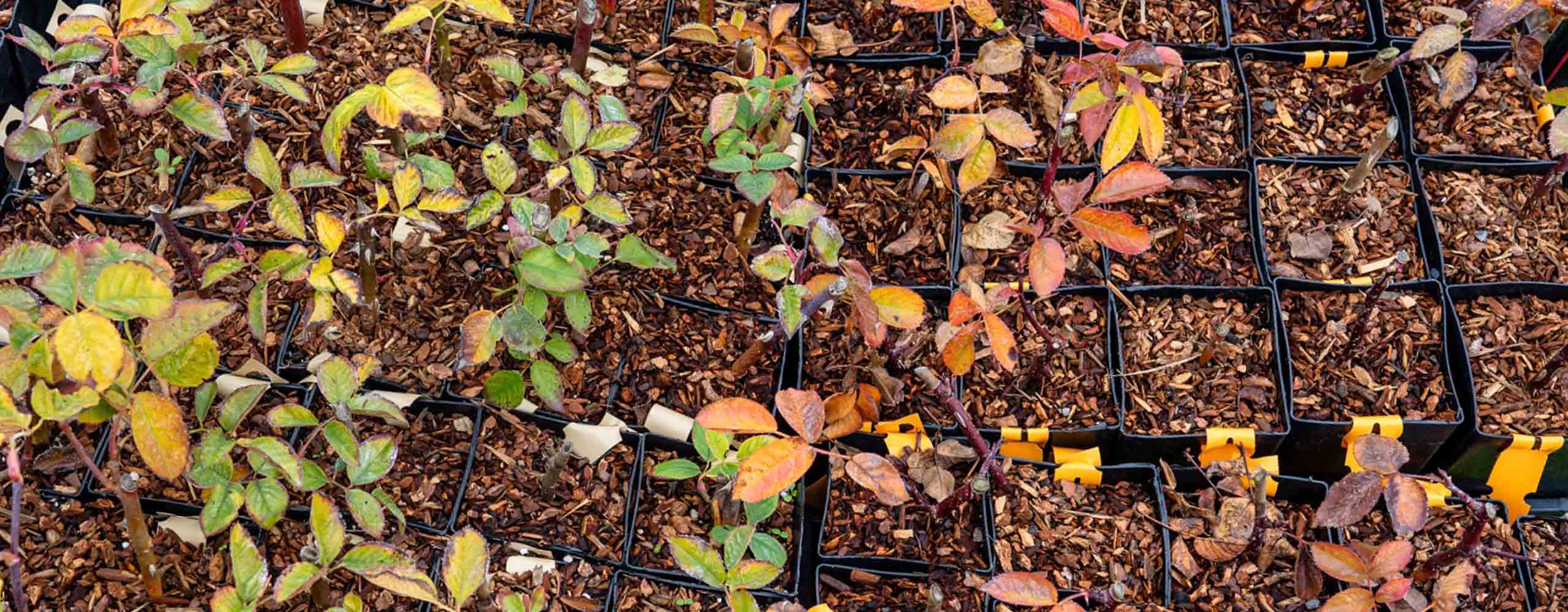
Grafted on reliable Pyrus OHxF 97 rootstock for disease resistance and vigor, Asian pears are hardy across USDA Zones 4-9 and ideal for home orchards, edible landscapes, and anyone seeking crisp, refreshing fruits with exceptional storage quality and ornamental beauty.
Pears, Asian (Pyrus pyrifolia)
Asian Pears are exceptional deciduous fruit trees that produce crisp, juicy fruits with refreshing sweetness and apple-like texture quite different from European pears. These attractive trees reach 15-18 feet tall with lustrous large leaves that turn beautiful colors in fall, creating ornamental appeal beyond their productive harvests. Unlike European pears that require post-harvest ripening, Asian pears are ready to eat straight from the tree with satisfying crunch and abundant juice.
The trees are remarkably precocious, bearing abundant crops at an early age and ripening fruit from August through November depending on variety. Late-season varieties store exceptionally well into winter when kept cool, extending fresh fruit availability for months. Asian pears thrive in sunny locations with well-drained soil and can be maintained at smaller sizes through regular pruning for manageable harvests and space-efficient growing. The trees benefit from cross-pollination with another Asian pear variety or an early-flowering European pear such as Bartlett for optimal fruit set.
Grafted on reliable Pyrus OHxF 97 rootstock for disease resistance and vigor, Asian pears are hardy across USDA Zones 4-9 and ideal for home orchards, edible landscapes, and anyone seeking crisp, refreshing fruits with exceptional storage quality and ornamental beauty.