Perennial Vegetables
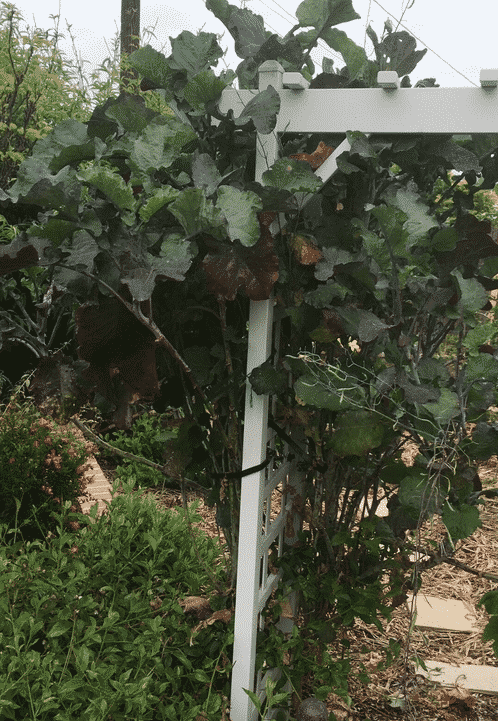
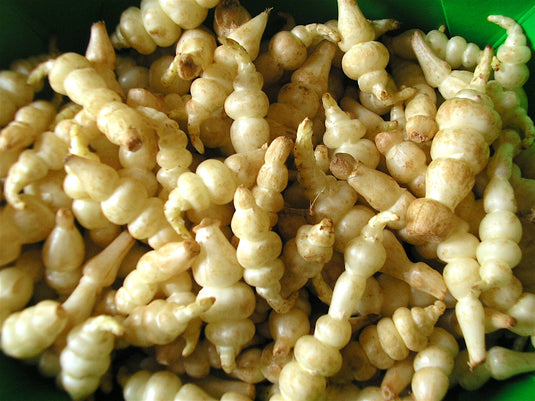
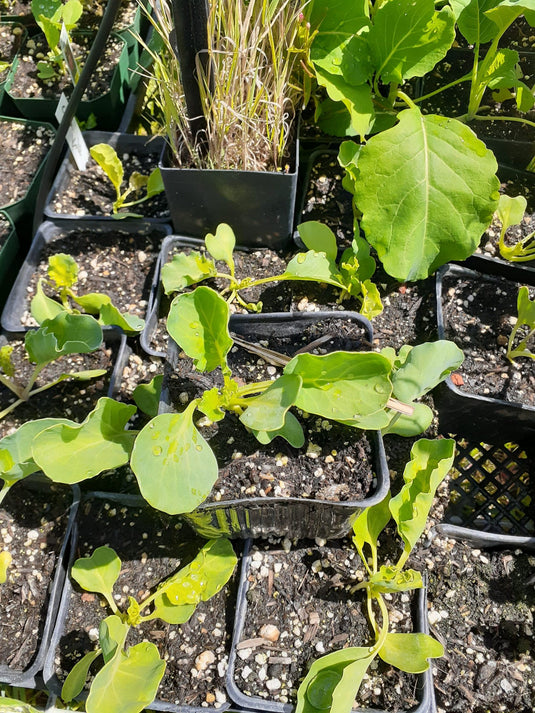
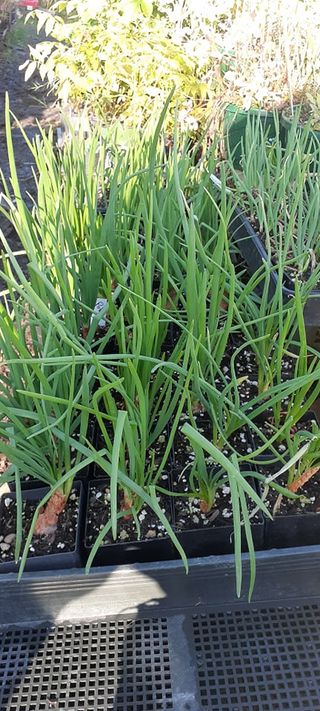
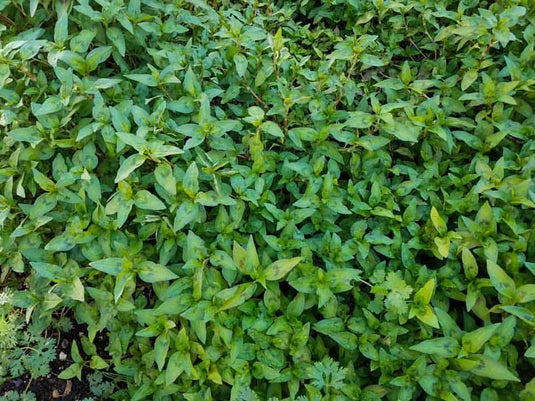
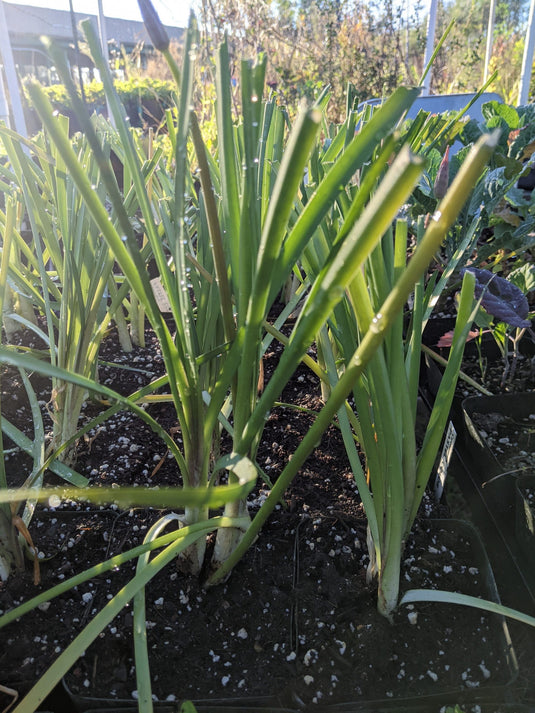
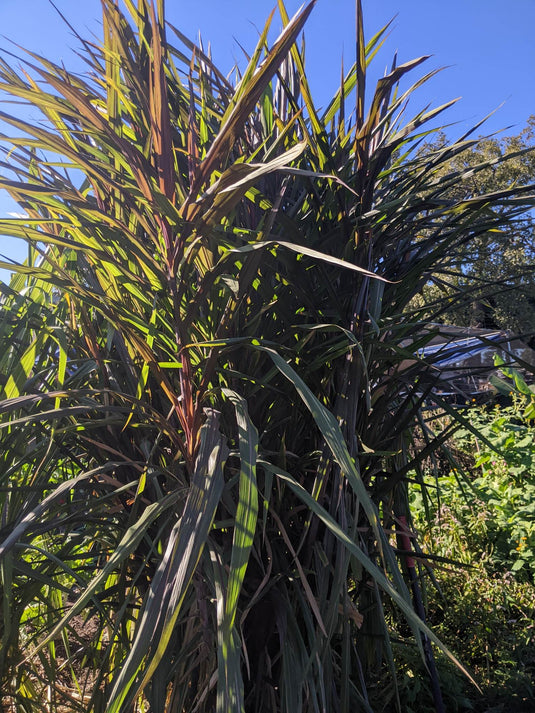
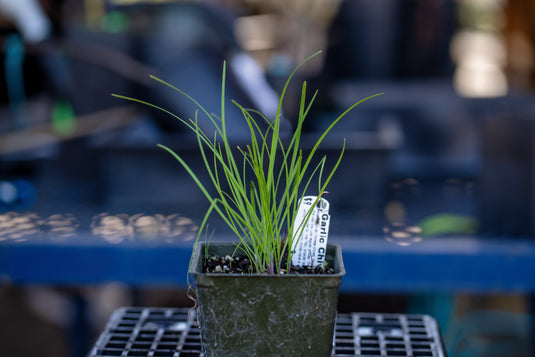
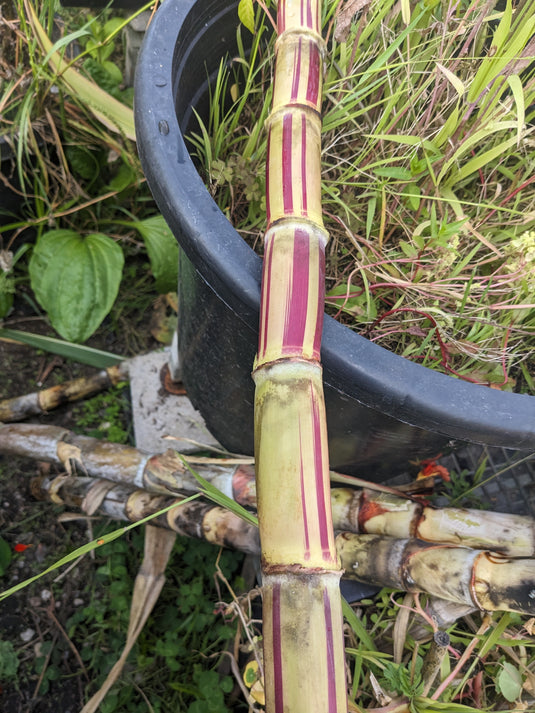
Perennial vegetables are transformative plants that produce food year after year without replanting, reducing labor while building soil health and creating resilient, low-maintenance food systems. This diverse category includes asparagus, artichokes, rhubarb, perennial onions, tree collards, sorrels, and numerous other crops that establish once and deliver harvests for decades.
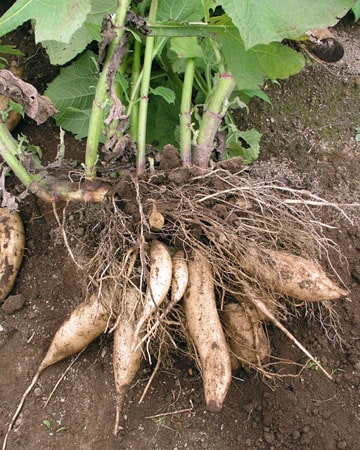
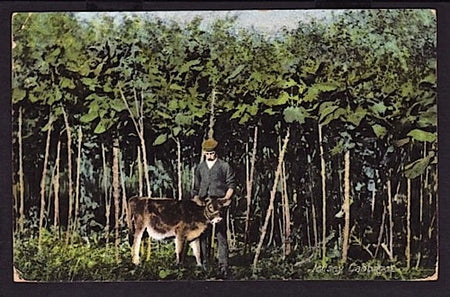
Unlike annual vegetables that require yearly tilling, planting, and fertility inputs, perennial vegetables develop deep root systems that improve soil structure, mine nutrients from depth, and support beneficial soil biology. Many perennials produce during windows when annual crops are unavailable, such as early spring asparagus and winter tree collards, extending fresh harvests throughout the year. These plants often thrive in partial shade and marginal areas where annual vegetables struggle, filling understory niches in food forests and utilizing space beneath fruit trees productively.
Perennial vegetables require patience during establishment but reward with increasing yields over time, many producing for 10-20 years or more with minimal care. They naturally suppress weeds through dense growth, tolerate neglect better than annuals, and eliminate the need for constant soil disturbance that depletes organic matter. Hardy across USDA Zones 3-10 depending on species, perennial vegetables are essential for permaculture designs, sustainable homesteads, and anyone seeking productive, regenerative food gardens with reduced annual workload.
Perennial Vegetables


Perennial vegetables are transformative plants that produce food year after year without replanting, reducing labor while building soil health and creating resilient, low-maintenance food systems. This diverse category includes asparagus, artichokes, rhubarb, perennial onions, tree collards, sorrels, and numerous other crops that establish once and deliver harvests for decades.
Unlike annual vegetables that require yearly tilling, planting, and fertility inputs, perennial vegetables develop deep root systems that improve soil structure, mine nutrients from depth, and support beneficial soil biology. Many perennials produce during windows when annual crops are unavailable, such as early spring asparagus and winter tree collards, extending fresh harvests throughout the year. These plants often thrive in partial shade and marginal areas where annual vegetables struggle, filling understory niches in food forests and utilizing space beneath fruit trees productively.
Perennial vegetables require patience during establishment but reward with increasing yields over time, many producing for 10-20 years or more with minimal care. They naturally suppress weeds through dense growth, tolerate neglect better than annuals, and eliminate the need for constant soil disturbance that depletes organic matter. Hardy across USDA Zones 3-10 depending on species, perennial vegetables are essential for permaculture designs, sustainable homesteads, and anyone seeking productive, regenerative food gardens with reduced annual workload.