Herbs, Spices, & Teas
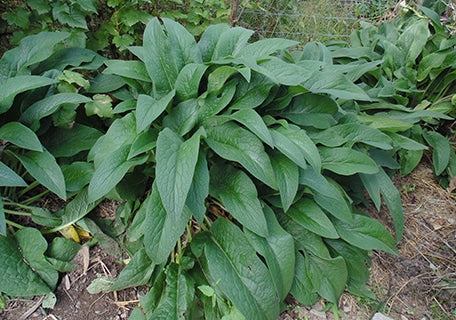
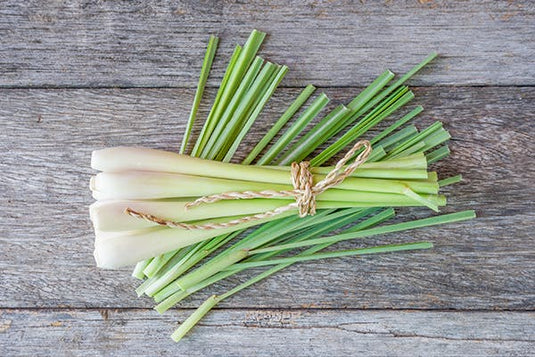
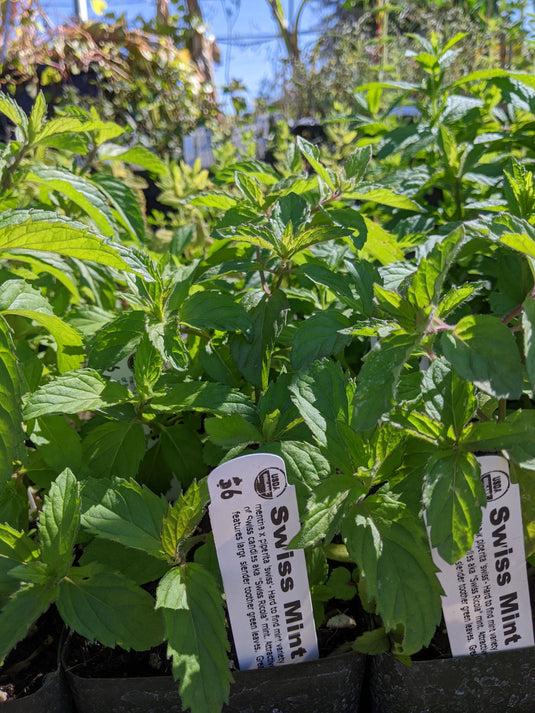
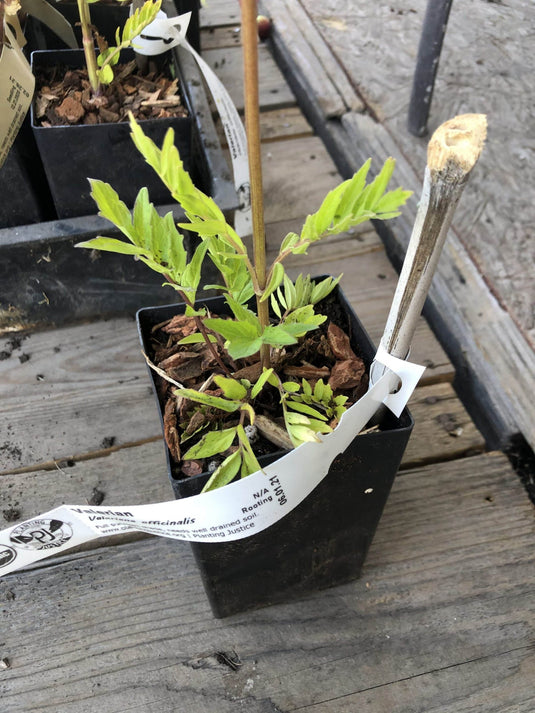
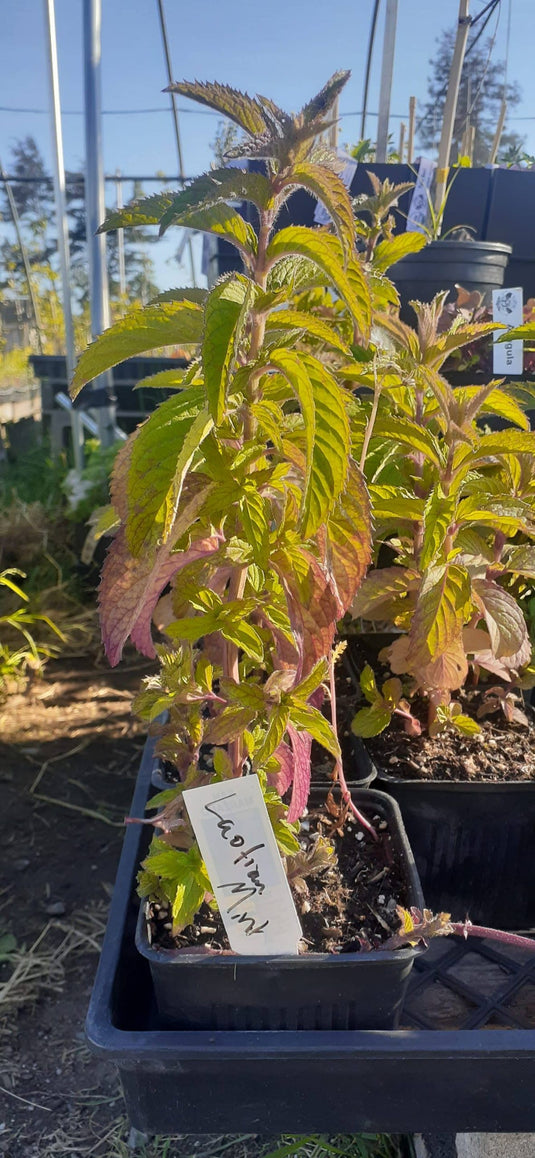
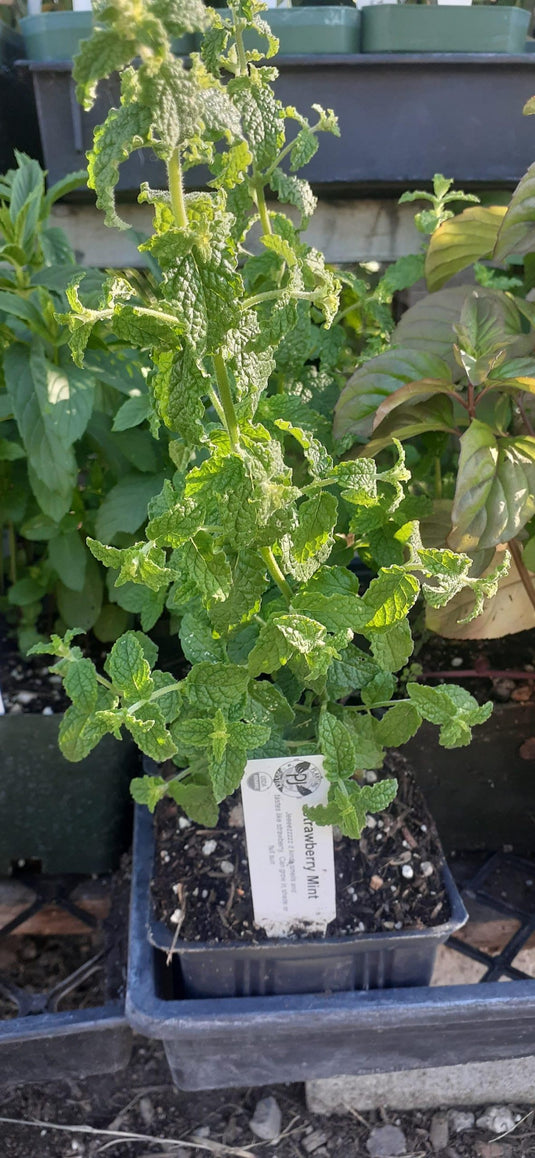
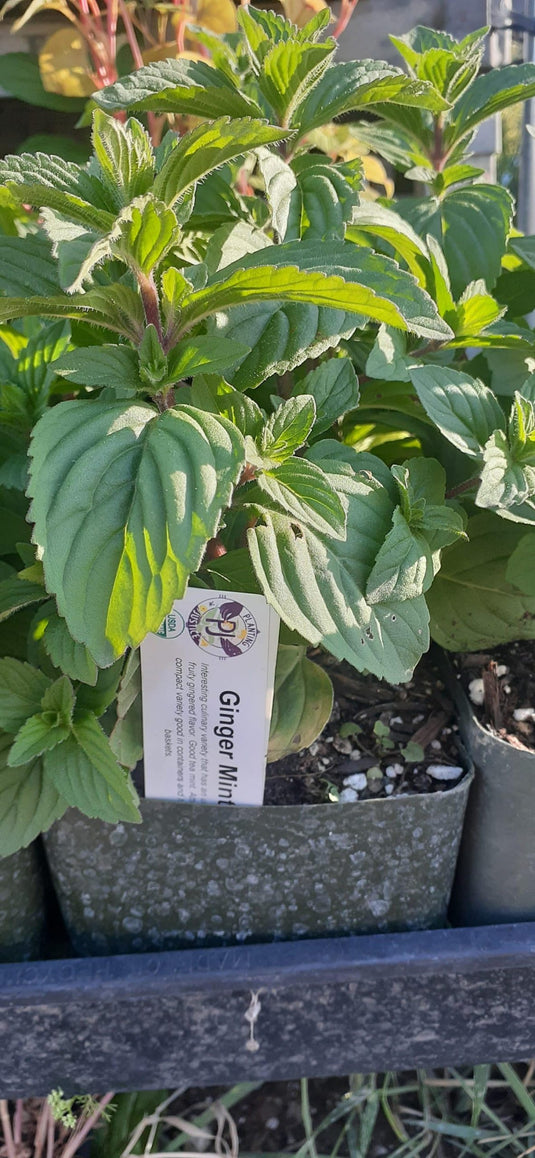
Herbs, spices, and tea plants are essential components of kitchen gardens, providing fresh flavors, medicinal benefits, and aromatic beauty while requiring minimal space and maintenance. This diverse category includes culinary favorites like basil, rosemary, and thyme alongside medicinal herbs such as echinacea and chamomile, tea plants including mint and lemon verbena, and specialty spices like ginger and turmeric.
Many herbs offer multiple uses: their leaves season foods, flowers attract beneficial insects, and dried materials create teas and natural remedies. These adaptable plants range from compact annuals perfect for containers to robust perennials that return year after year, with many thriving in challenging conditions where vegetables struggle. Fresh herbs deliver far superior flavor and potency compared to dried store-bought alternatives while providing continuous harvests throughout the growing season.
Most herbs prefer well-drained soil and full sun, though many adapt to partial shade and various garden situations. Beyond their practical uses, herbs contribute fragrance, texture, and beauty to ornamental borders while supporting pollinators and beneficial insects. Suitable across USDA Zones 3-11 depending on species, herbs are perfect for container gardens, raised beds, edible landscapes, and permaculture designs where their compact size and multiple benefits create productive, beautiful plantings.
Herbs, Spices, & Teas
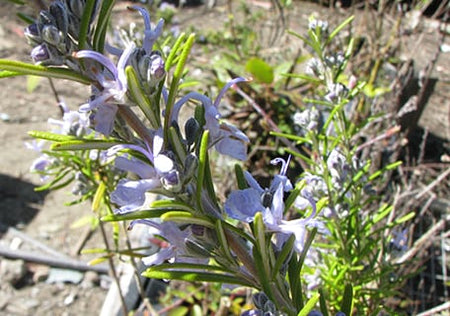
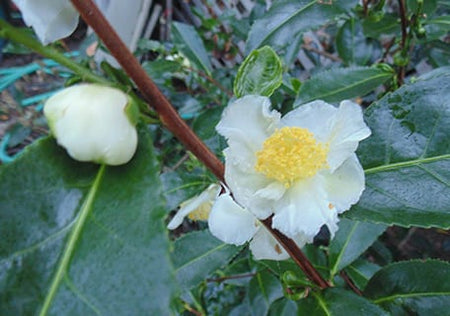


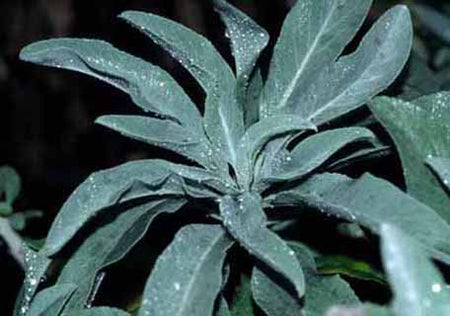

Herbs, spices, and tea plants are essential components of kitchen gardens, providing fresh flavors, medicinal benefits, and aromatic beauty while requiring minimal space and maintenance. This diverse category includes culinary favorites like basil, rosemary, and thyme alongside medicinal herbs such as echinacea and chamomile, tea plants including mint and lemon verbena, and specialty spices like ginger and turmeric.
Many herbs offer multiple uses: their leaves season foods, flowers attract beneficial insects, and dried materials create teas and natural remedies. These adaptable plants range from compact annuals perfect for containers to robust perennials that return year after year, with many thriving in challenging conditions where vegetables struggle. Fresh herbs deliver far superior flavor and potency compared to dried store-bought alternatives while providing continuous harvests throughout the growing season.
Most herbs prefer well-drained soil and full sun, though many adapt to partial shade and various garden situations. Beyond their practical uses, herbs contribute fragrance, texture, and beauty to ornamental borders while supporting pollinators and beneficial insects. Suitable across USDA Zones 3-11 depending on species, herbs are perfect for container gardens, raised beds, edible landscapes, and permaculture designs where their compact size and multiple benefits create productive, beautiful plantings.