Plums
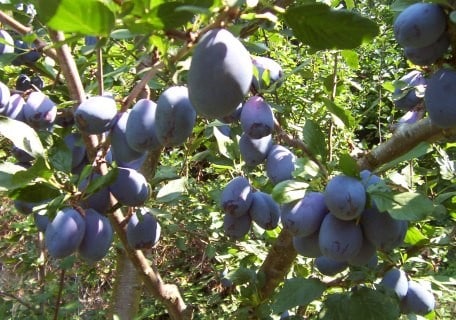
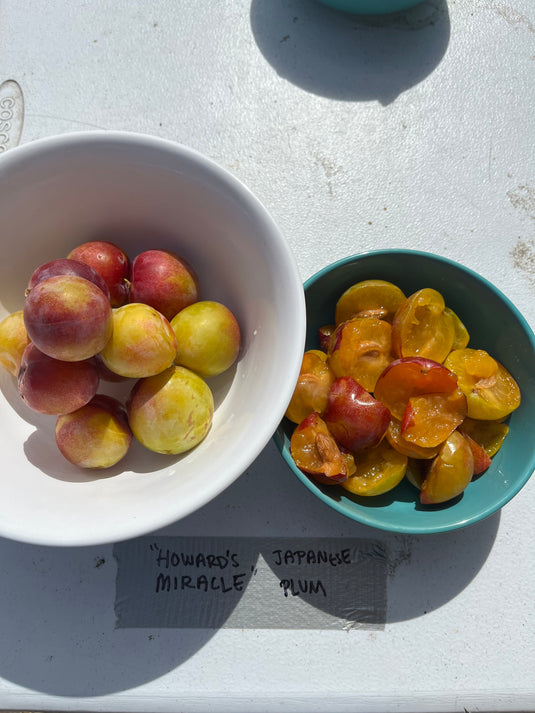
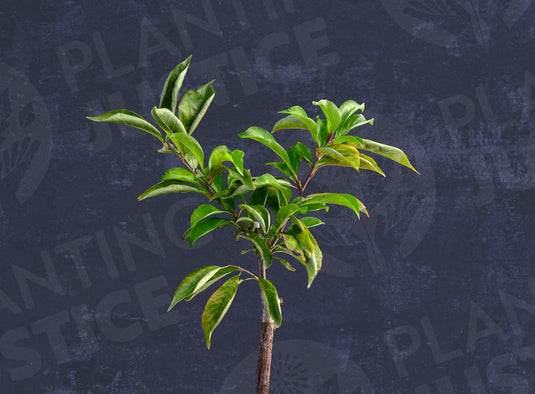
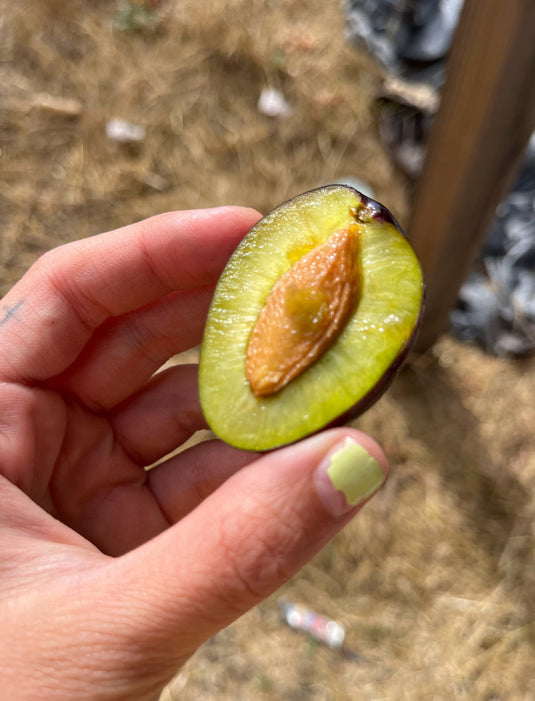
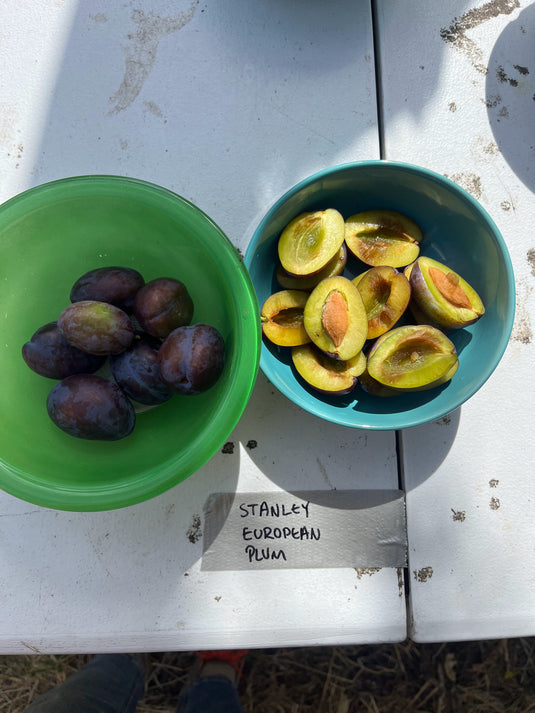
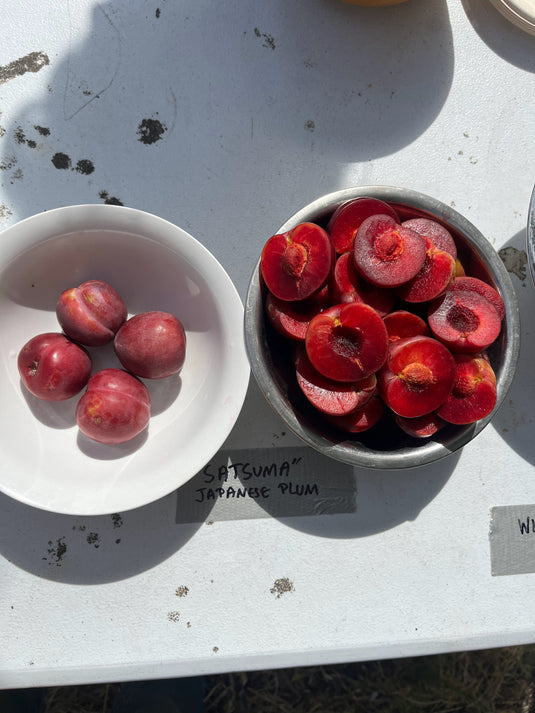
Plums are diverse deciduous fruit trees offering exceptional variety in size, flavor, and use, from sweet fresh-eating types to tart cooking plums and everything in between. This extensive category includes European plums with firm, freestone flesh perfect for drying into prunes, Japanese plums with juicy, clingstone fruits ideal for fresh eating, and American hybrid plums combining cold hardiness with excellent flavor.
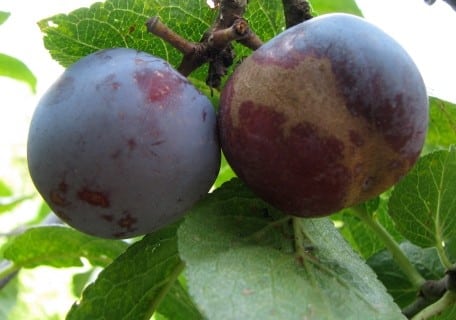
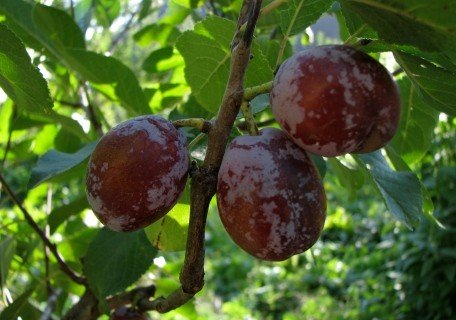
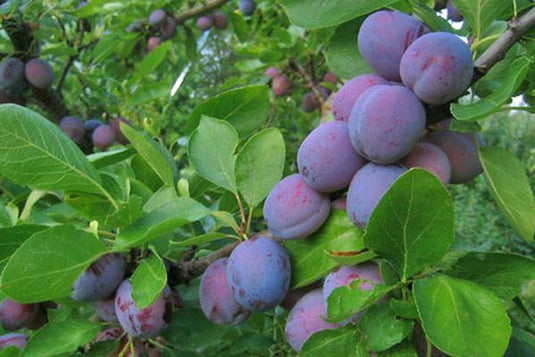
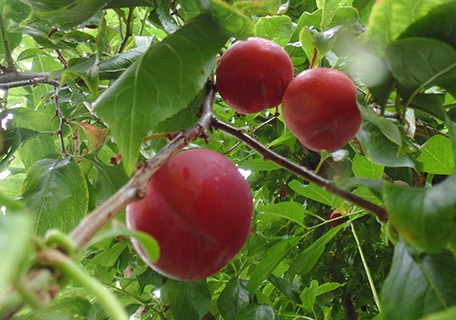
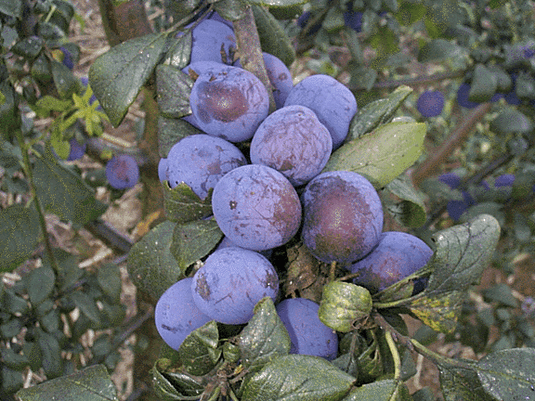
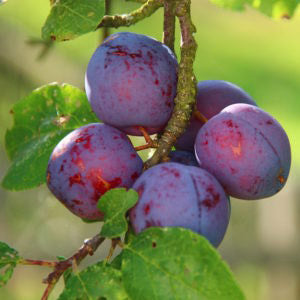
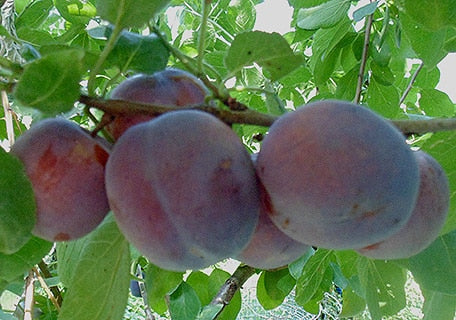
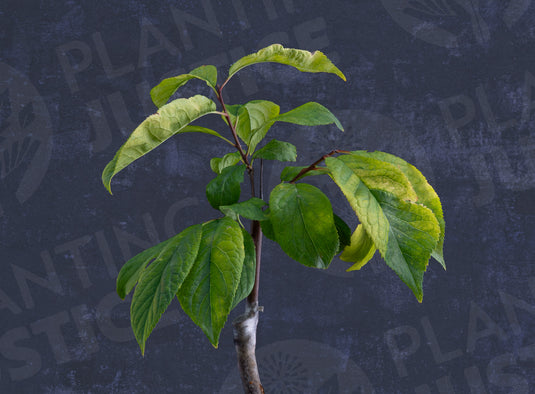
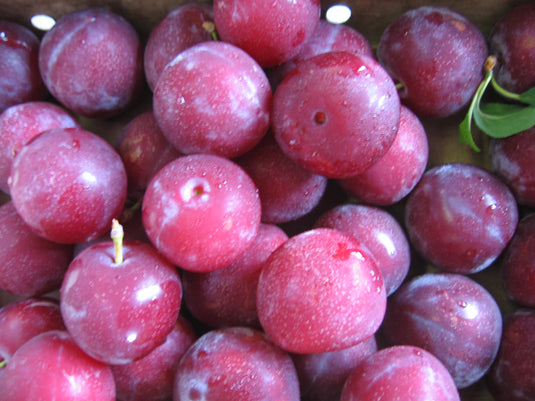
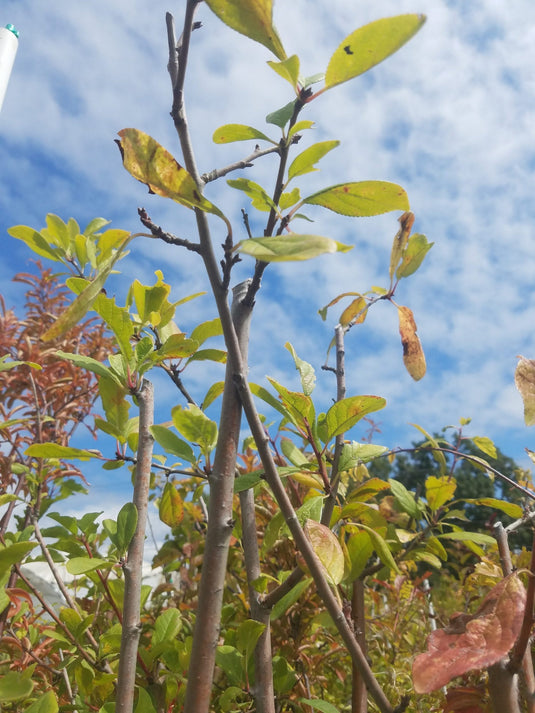
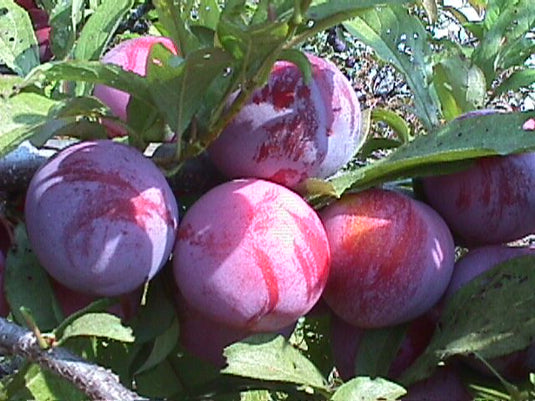
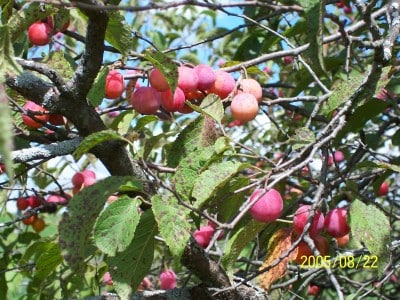
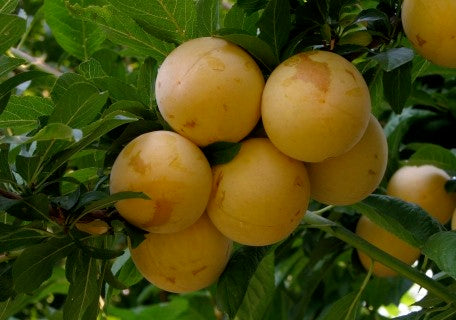
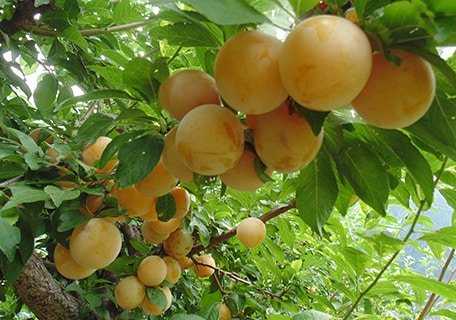
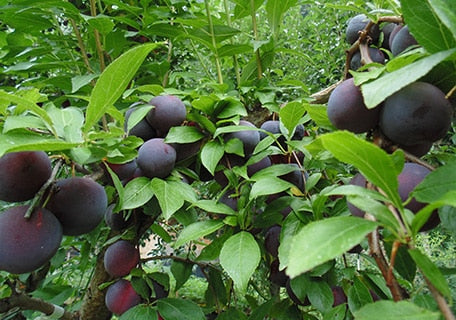
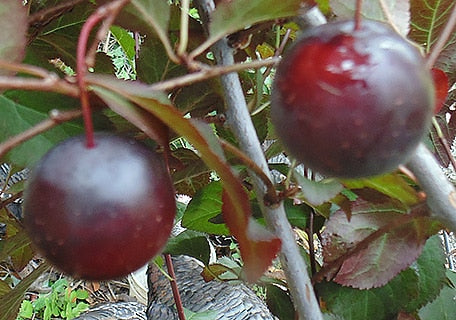
The trees range from compact 10-foot specimens to larger 20-foot standards, all featuring beautiful white to pink spring blossoms that create stunning ornamental displays before setting abundant crops. Plum fruits vary widely in color from golden yellow and red to deep purple and blue-black, offering options for every taste and culinary application including fresh eating, preserves, baking, drying, and wine making. Most plum varieties require cross-pollination with compatible types for optimal fruit set, though some are self-fertile.
The trees adapt to various soil types and climates, with European plums generally preferring cooler regions and Japanese plums thriving in warmer areas. Remarkably productive and beginning to bear within 3-5 years, plums are relatively low-maintenance once established. Hardy across USDA Zones 4-9 depending on type, plums are outstanding choices for home orchards, edible landscapes, and anyone seeking reliable stone fruit production with exceptional flavor diversity.
Plums


Plums are diverse deciduous fruit trees offering exceptional variety in size, flavor, and use, from sweet fresh-eating types to tart cooking plums and everything in between. This extensive category includes European plums with firm, freestone flesh perfect for drying into prunes, Japanese plums with juicy, clingstone fruits ideal for fresh eating, and American hybrid plums combining cold hardiness with excellent flavor.
The trees range from compact 10-foot specimens to larger 20-foot standards, all featuring beautiful white to pink spring blossoms that create stunning ornamental displays before setting abundant crops. Plum fruits vary widely in color from golden yellow and red to deep purple and blue-black, offering options for every taste and culinary application including fresh eating, preserves, baking, drying, and wine making. Most plum varieties require cross-pollination with compatible types for optimal fruit set, though some are self-fertile.
The trees adapt to various soil types and climates, with European plums generally preferring cooler regions and Japanese plums thriving in warmer areas. Remarkably productive and beginning to bear within 3-5 years, plums are relatively low-maintenance once established. Hardy across USDA Zones 4-9 depending on type, plums are outstanding choices for home orchards, edible landscapes, and anyone seeking reliable stone fruit production with exceptional flavor diversity.