Nut Trees
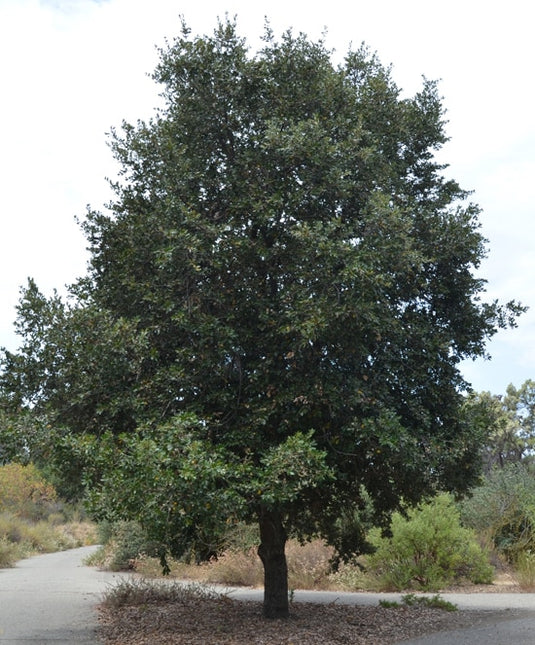
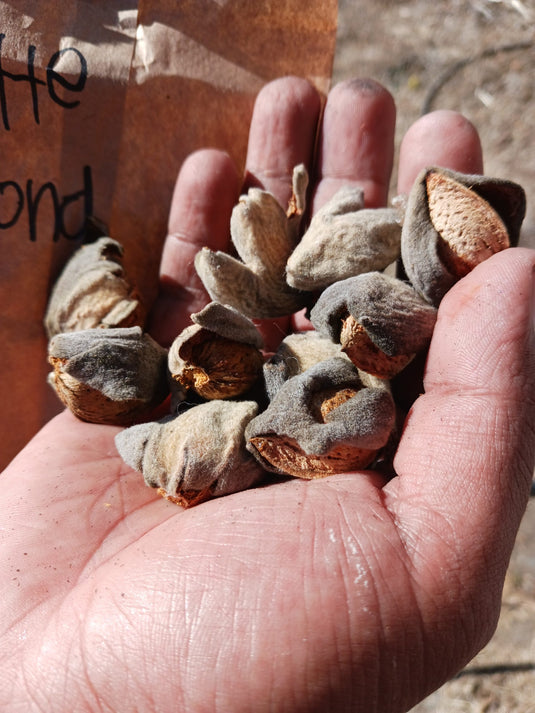
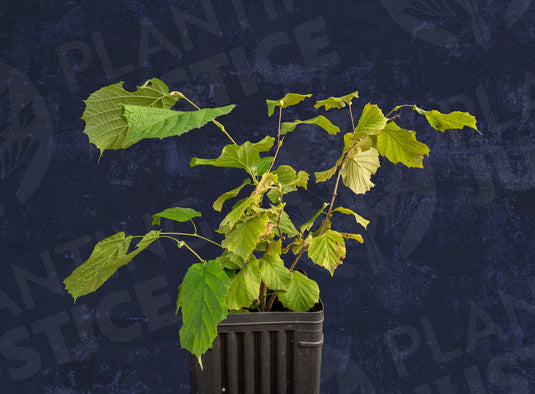
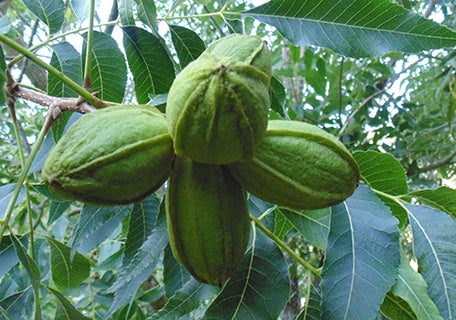
Nut trees are among the most valuable long-term investments for any property, providing decades or even centuries of nutritious harvests, beauty, and ecological benefits. This diverse category includes walnuts, almonds, hazelnuts, chestnuts, pecans, and other productive species that deliver protein-rich, calorie-dense foods ideal for fresh eating, baking, and long-term storage. Beyond their productive value, nut trees grow into majestic specimens that provide cooling shade, wildlife habitat, valuable timber, and dramatic seasonal interest with spring blooms and vibrant fall colors.
Most nut trees begin bearing within 3-8 years depending on species and rootstock, then continue producing for 50-100+ years or longer, making them genuine legacy plantings that can sustain multiple generations. The trees support complex ecosystems, attracting pollinators with their flowers and feeding countless wildlife species with their nuts. Nut trees adapt to diverse climates and soil types, with cold-hardy varieties thriving in Zone 4 while others prefer warmer conditions through Zone 10.
Many species improve soil through deep taproots and nitrogen fixation, while others provide valuable secondary products like syrup, oils, or medicinal bark. Whether planted as productive orchards, integrated into food forests, or established as shade trees with edible bonuses, nut trees represent sustainability, food security, and enduring value for homesteads and edible landscapes.
Nut Trees
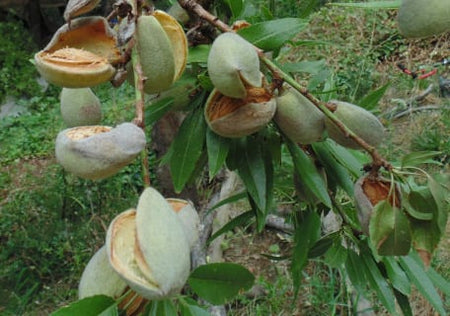
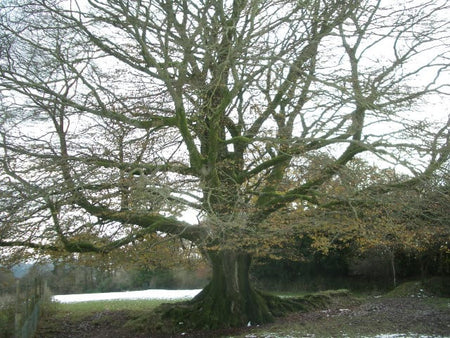
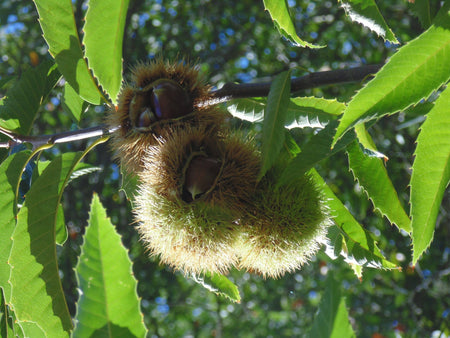
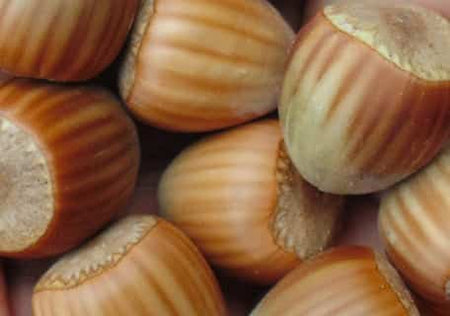
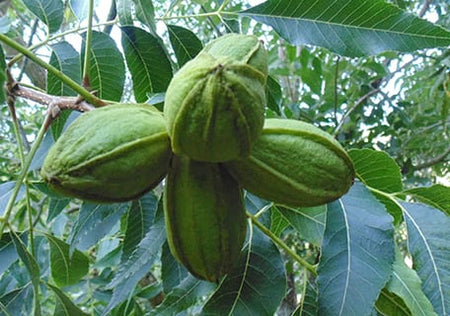
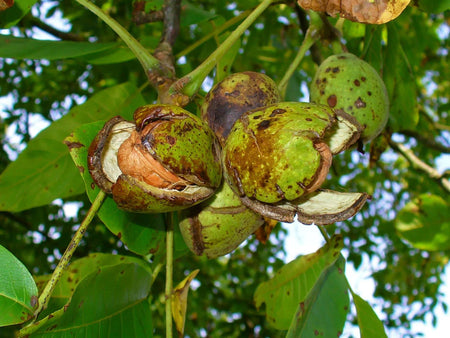
Nut trees are among the most valuable long-term investments for any property, providing decades or even centuries of nutritious harvests, beauty, and ecological benefits. This diverse category includes walnuts, almonds, hazelnuts, chestnuts, pecans, and other productive species that deliver protein-rich, calorie-dense foods ideal for fresh eating, baking, and long-term storage. Beyond their productive value, nut trees grow into majestic specimens that provide cooling shade, wildlife habitat, valuable timber, and dramatic seasonal interest with spring blooms and vibrant fall colors.
Most nut trees begin bearing within 3-8 years depending on species and rootstock, then continue producing for 50-100+ years or longer, making them genuine legacy plantings that can sustain multiple generations. The trees support complex ecosystems, attracting pollinators with their flowers and feeding countless wildlife species with their nuts. Nut trees adapt to diverse climates and soil types, with cold-hardy varieties thriving in Zone 4 while others prefer warmer conditions through Zone 10.
Many species improve soil through deep taproots and nitrogen fixation, while others provide valuable secondary products like syrup, oils, or medicinal bark. Whether planted as productive orchards, integrated into food forests, or established as shade trees with edible bonuses, nut trees represent sustainability, food security, and enduring value for homesteads and edible landscapes.